There are some stories online that sound fake the first time you hear them. Competitive eating. Extreme ironing. People racing lawnmowers. Then there are true tickling stories, which somehow feel even stranger because they sit in a weird space between comedy, discomfort, psychology, and mystery. 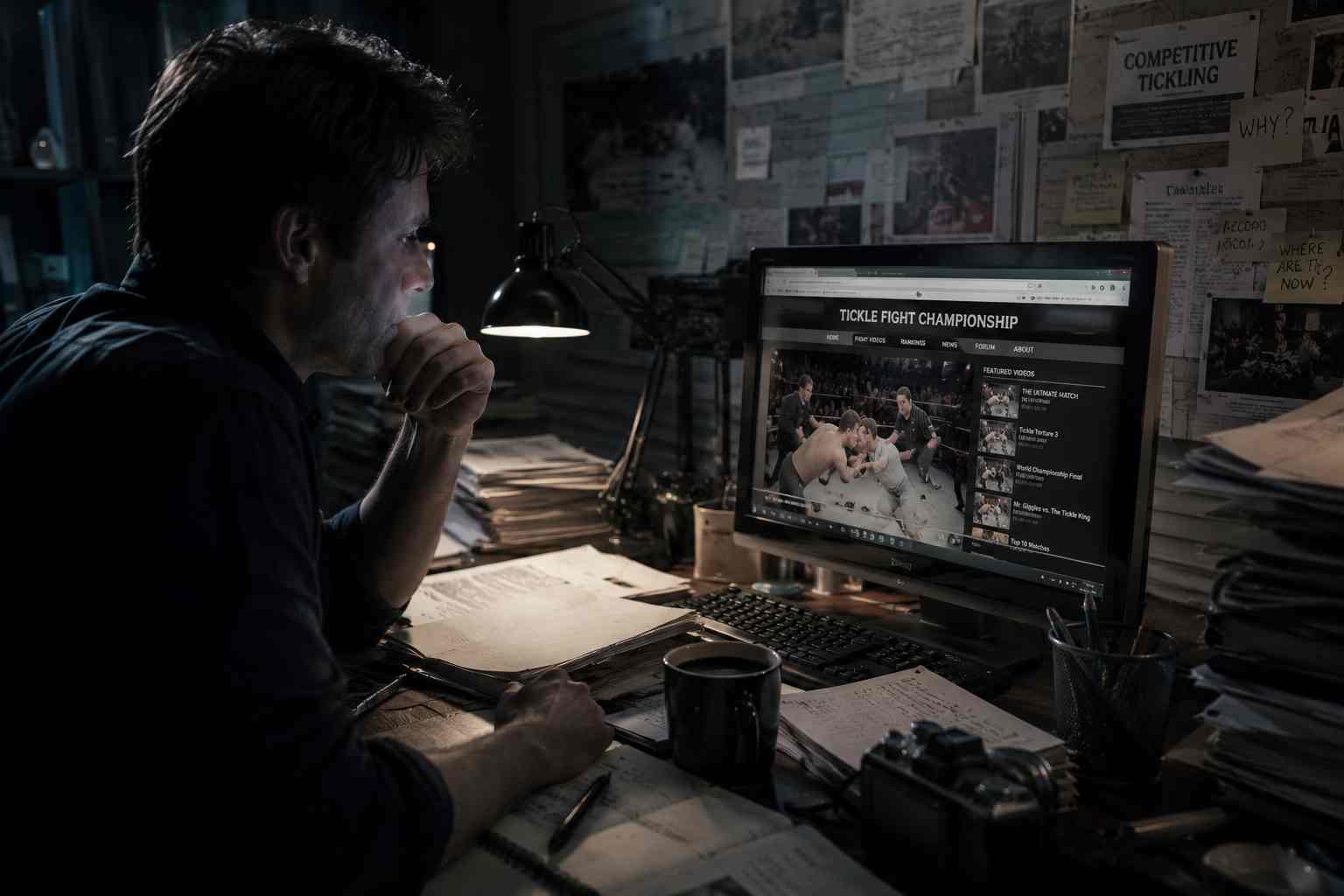
Most people think tickling is harmless. It is usually connected to childhood memories, siblings laughing on the couch, or parents playing with kids. But once journalists and filmmakers started looking deeper, they discovered an entirely hidden world built around tickling videos, competitions, online communities, and even disturbing cases involving control and humiliation.
What began as a simple joke topic slowly turned into one of the internet’s strangest real investigations.
And yes, some of it is absolutely real.
The Documentary That Shocked Everyone
One of the biggest reasons people search for true tickling stories today is because of the documentary Tickled.
The film started with New Zealand journalist David Farrier. While browsing strange online videos, he found clips of young men taking part in “competitive endurance tickling.” At first, it looked silly and harmless. Participants were tied down or restrained while others tried to tickle them for as long as possible.
But the deeper Farrier investigated, the stranger things became.
The people behind the videos reacted aggressively to questions. Legal threats appeared. Former participants described emotional pressure, embarrassment, and manipulation. What seemed like a goofy internet niche slowly became a serious investigation about secrecy and control.
That shift is what made the documentary unforgettable.
Instead of laughing, viewers began asking uncomfortable questions:
- Why were people so secretive?
- Why were critics threatened?
- Why were participants humiliated online afterward?
- Who was funding everything?
The mystery pulled audiences in because it felt unreal while still being completely true.
Why Tickling Affects Humans So Strongly
To understand these stories, it helps to understand what tickling actually does to the human body.
Scientists believe tickling activates several systems at once:
- Touch receptors in the skin
- Emotional response centers in the brain
- Reflexive defensive reactions
- Anticipation and surprise
That is why people laugh even when they do not enjoy it.
In fact, many researchers explain that laughter during tickling is not always happiness. Sometimes it is a stress response. Your body reacts automatically because it cannot fully predict the sensation.
This is also why humans cannot easily tickle themselves. The brain already predicts the movement, so the surprise disappears.
That simple fact has fascinated psychologists for years.
Where Do Girls Get Tickled the Most?
This is one of the most searched questions online, but the answer is mostly biological rather than mysterious.
People often report stronger ticklish reactions in areas where the body is more sensitive, including:
- Feet
- Underarms
- Ribs
- Neck
- Stomach
- Knees
Women and girls sometimes describe stronger sensitivity because skin sensitivity and nerve responses vary from person to person. But there is no universal “most ticklish spot” for everyone.
Researchers say anticipation matters just as much as location. Someone expecting to be tickled often reacts more intensely before contact even happens.
That psychological buildup is part of why tickling becomes emotionally powerful in some situations.
Some True Tickling Stories Became Disturbing
This is where the topic changes tone.
Many true tickling stories online are harmless or funny. Friends prank each other. Siblings start laughing uncontrollably. Couples share playful moments.
But some documented cases crossed ethical lines.
Former participants from competitive tickling videos described:
- Feeling pressured into participating
- Public humiliation
- Emotional manipulation
- Online harassment after leaving
- Fear of legal threats
The Tickled documentary exposed how something playful could become deeply uncomfortable when power and control entered the picture.
That is why modern conversations about tickling now focus heavily on consent.
Without consent, even playful behavior can become distressing.
Are There Professional Ticklers?
Surprisingly, yes.
There are people who create tickling-related entertainment content online. Some appear in videos, produce media, or participate in niche performance communities.
In many cases, these productions are presented as harmless comedy or performance content. Others exist in more private online communities.
The important distinction is whether everyone involved agrees willingly and safely.
Professional tickling became more widely discussed after documentaries and investigative reports revealed that there was an actual business side behind some productions. That shocked many viewers because most people never imagined tickling could become an organized niche industry.
Even today, many people discover this world accidentally through documentaries or viral internet discussions.
What Happens If Someone Gets Tickled Too Much?
Most people stop quickly because intense tickling becomes physically exhausting.
Too much tickling can cause:
- Difficulty breathing normally
- Muscle pain
- Panic reactions
- Emotional distress
- Loss of control
- Anxiety responses
Historically, there are even records suggesting extreme tickling was used as punishment or torture in certain stories and legends, although many historical claims remain debated by historians.
The important reality is simple:
The body eventually stops treating tickling as fun if the person feels trapped, helpless, or overwhelmed.
That is why forced tickling becomes dangerous.
The Psychology Behind Tickling Is Surprisingly Deep
Psychologists have studied tickling for decades because it combines emotion, trust, fear, and physical reflexes all at once.
Tickling often works best between people who know each other well. That trust lowers defenses. But it also means tickling can instantly become uncomfortable if boundaries are crossed.
Researchers sometimes divide tickling into two types:
Gargalesis
This is intense tickling that causes laughter and strong reactions.
Knismesis
This is the lighter feeling caused by gentle touches or crawling sensations on the skin.
Both reactions connect to survival instincts. Scientists believe ancient humans evolved these responses partly as protection against insects, danger, or unexpected physical contact.
So even though tickling feels playful today, the reaction itself may come from very old biological defense systems.
Why The Internet Became Obsessed With Tickling Mysteries
The internet loves mysteries that begin small and become huge.
That is exactly what happened with true tickling stories.
At first, people expected funny clips and harmless oddities. Instead, they discovered:
- Anonymous organizations
- Hidden online communities
- Legal intimidation
- Emotional manipulation
- Psychological complexity
The contrast fascinated audiences.
It felt similar to opening a comedy movie and slowly realizing it is actually a thriller.
That strange emotional shift is why documentaries like Tickled became cult favorites. People were not just watching a story about tickling anymore. They were watching a story about secrecy, obsession, identity, and power.
Some Stories Are Funny Instead of Dark
Not every true tickling story is serious.
There are thousands of harmless real stories online involving:
- Parents accidentally making children laugh uncontrollably
- Friends ruining serious moments with tickle attacks
- Pets reacting to ticklish spots
- Couples discovering one another’s weakest tickle points
- Athletes and celebrities joking about being extremely ticklish
Many actors and public figures have admitted during interviews that they cannot handle being tickled during filming because it instantly breaks character.
Those lighter moments remind people why tickling exists socially in the first place. It creates surprise, laughter, bonding, and shared reactions.
The problem only starts when personal boundaries disappear.
Why Consent Matters So Much
One of the clearest lessons from modern true tickling stories is this:
Something funny can become harmful very quickly when someone loses control.
Consent changes everything.
A playful moment between friends feels completely different from someone being restrained or pressured. That distinction became central in journalism surrounding competitive tickling investigations.
Today, psychologists and child behavior experts often encourage parents to stop immediately if children say they want tickling to end. Laughing does not always mean enjoyment.
That awareness has grown significantly over the last decade.
The Strange Legacy of Tickled
Years after release, Tickled still appears in discussions about the weirdest documentaries ever made.
People remember it because the story constantly changed shape.
It began as:
- A goofy internet curiosity
Then became:
- A mystery investigation
Then evolved into:
- A story about power, secrecy, and emotional manipulation
Very few documentaries pull audiences through that kind of emotional transformation.
That is why searches for true tickling stories continue even today.
People are not only curious about tickling itself. They are curious about how something so small and silly uncovered such a bizarre hidden world.
What These Stories Really Reveal About Human Nature
At the center of these true tickling stories is not just laughter.
It is vulnerability.
Tickling removes control for a few seconds. The body reacts automatically. That is why trust matters so much. It explains why tickling can feel playful, embarrassing, joyful, uncomfortable, or frightening depending on the situation.
The internet investigation around competitive tickling revealed something larger than the act itself. It showed how unusual communities form online, how secrecy grows, and how human curiosity pulls journalists toward hidden stories most people would normally ignore.
And honestly, that may be the strangest part of all.
A topic people once treated as a harmless joke ended up becoming one of the internet’s most unexpected real-life mysteries.

Jessica Savitch, with a deep passion for journalism, brings her expertise to istruestory.com as a dedicated author. MA in Arts & Journalism.
this tickled me to my core