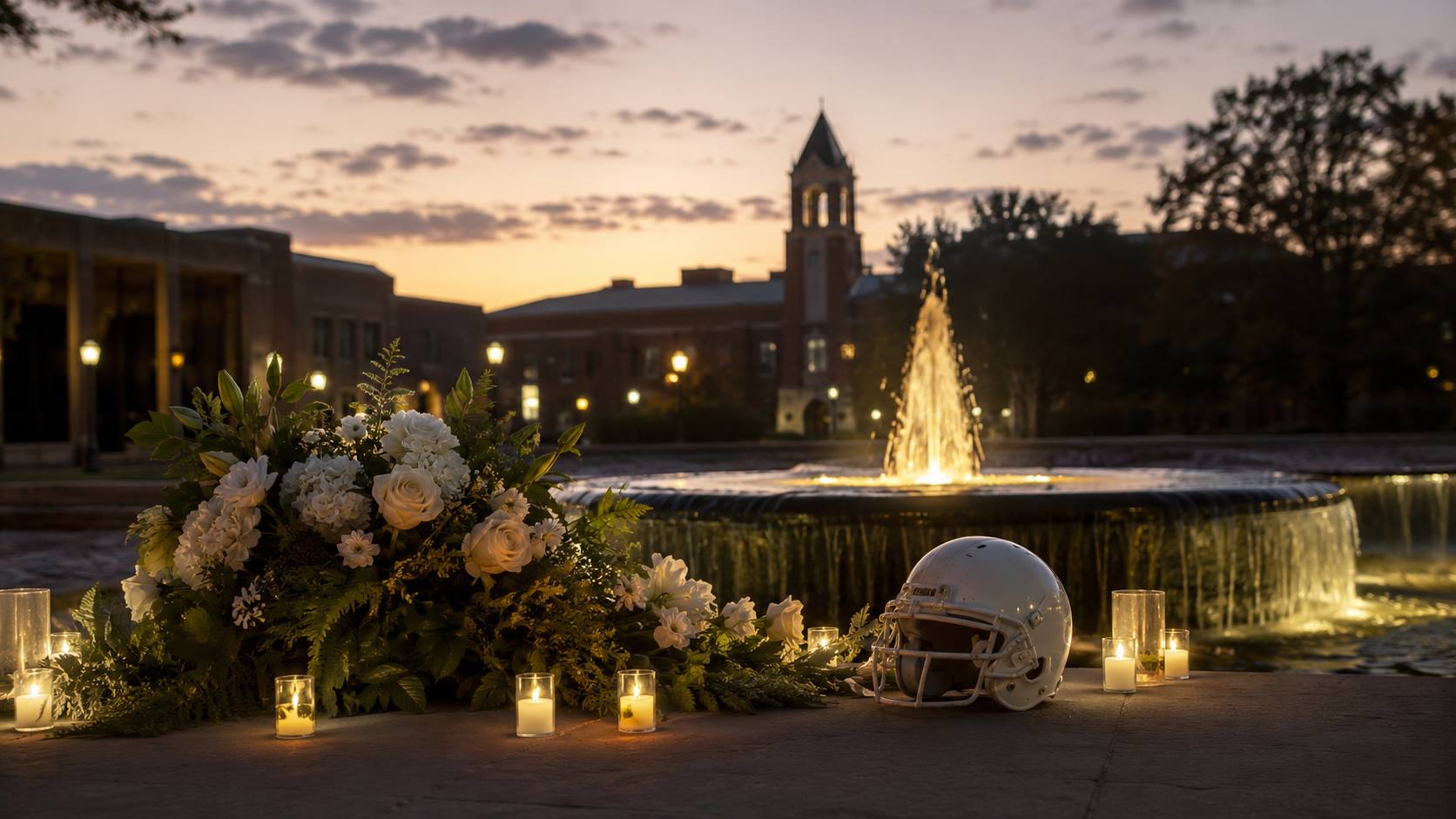
We Are Marshall is not really that kind of movie.
Yes, it has football. Yes, it has speeches, uniforms, stadium lights, and a team trying to stand again. But the heart of the film is grief. It is about a university, a town, and a football program that lost almost everything in one night.
The true story of We Are Marshall begins on November 14, 1970, when Southern Airways Flight 932 crashed near Huntington, West Virginia. The plane was carrying people connected to the Marshall University football program after a game against East Carolina. All 75 people on board died. The victims included players, coaches, supporters, administrators, and crew members.
The 2006 film, starring Matthew McConaughey as Coach Jack Lengyel and Matthew Fox as Red Dawson, tells the story of what happened after that tragedy. Marshall University describes the movie as the story of the 1970 crash and the university’s effort to rebuild the team and the community.
Is We Are Marshall Based on a Real Story?
Yes. We Are Marshall is based on a real story.
The movie is inspired by the real Marshall University football team and the 1970 plane crash that changed the school forever. Marshall University states that the crash took the lives of 75 players, coaches, staff, and supporters of the football program.
The film does use drama to shape the story for the screen. That is normal in Hollywood. Some scenes are arranged for emotion. Some conversations are written to make the story easier to follow. But the central truth is real.
A team was lost.
A town mourned.
And then Marshall had to decide whether football should return at all.
What Happened in the Marshall Plane Crash?
On the night of November 14, 1970, Southern Airways Flight 932 was trying to land at Tri-State Airport near Huntington, West Virginia. The weather was poor. The aircraft crashed during the landing attempt. According to the National Transportation Safety Board report, all 75 occupants, including 71 passengers and four crew members, were killed.
Marshall University’s Special Collections describes it as the worst single air tragedy in NCAA sports history. The crash took nearly the entire football team, coaches, flight crew, fans, and supporters.
That is why the story still carries such weight. It was not only a football loss. It was a community loss.
Families lost sons. Players lost teammates. Students lost friends. Huntington lost people it knew by name.
Were There Any Survivors of the Marshall Plane Crash?
There were no survivors on the plane.
Everyone aboard Southern Airways Flight 932 died in the crash. That is one of the most painful facts behind the true story of We Are Marshall.
But when people ask about “survivors,” they often mean something slightly different.
Some members of the football program were not on the flight. A few players had stayed behind for different reasons. Some coaches were away on recruiting duties. These people became survivors of the program’s tragedy, even though they were not crash survivors in the literal sense.
That difference matters.
There were no survivors from the aircraft. But there were surviving teammates, coaches, students, families, and community members who had to live with what happened.
What Happened to Coach Jack Lengyel?
Coach Jack Lengyel became the man asked to rebuild Marshall football after the crash.
He was hired in 1971, after the tragedy had left the football program devastated. The National Football Foundation says Lengyel went to Marshall in 1971 to rebuild the football program and stayed there for four seasons while restoring a normal four-year team structure.
This was not a normal coaching job.
He was not walking into a program that only needed better plays or stronger recruiting. He was walking into grief. Many of the players were gone. Much of the coaching staff was gone. The town was still hurting.
Marshall Athletics says Lengyel coached the “Young” Thundering Herd, the first Marshall teams after the crash, and helped rebuild the program. His 1971 team beat Xavier 15–13 in Marshall’s first home game after the crash, scoring a last-second touchdown.
That win did not erase the pain. Nothing could.
But it gave people a moment to breathe.
It told the town: Marshall is still here.
What Happened to Coach Red Dawson?
Coach Red Dawson is one of the most emotional real-life figures behind We Are Marshall.
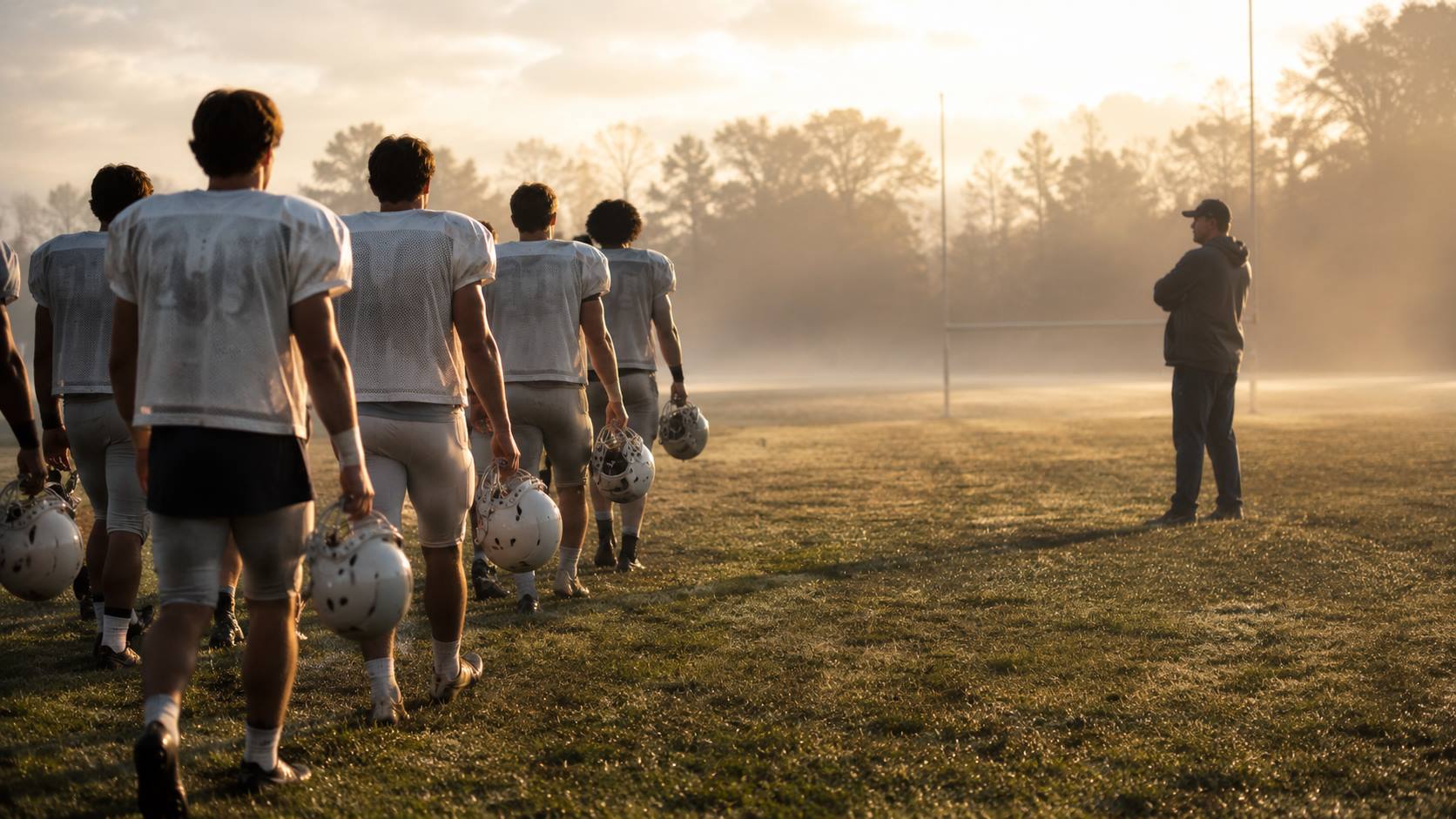
Dawson was an assistant coach at Marshall in 1970. He was not on the plane when it crashed. Marshall University’s memorial archive states that Dawson was not aboard the aircraft, became acting head coach in 1971, and helped form the “Young Thundering Herd.”
His survival came with deep pain. He had worked with the players and coaches who died. He was part of the same football family. But because he was away from the flight, he lived.
The movie shows Dawson as a man carrying guilt, grief, and loyalty. That emotional truth is important. People who survive disasters often face questions that have no clean answer. Why was I spared? What do I do now? How do I keep going?
Dawson stayed for a time and helped rebuild. Later, he left coaching. Reports about his life often describe how heavily the tragedy stayed with him for years.
How Accurate Is We Are Marshall?
The film is broadly true in its main story.
The crash happened. The loss of 75 people happened. Marshall did rebuild. Jack Lengyel did become head coach. Red Dawson was a real assistant coach who was not on the plane and helped during the early rebuilding period.
But the film also shapes history into a movie.
That means some moments are simplified. Some characters represent larger emotions. Some timelines are tightened. This does not make the movie false. It means the film is telling a real story through a dramatic lens.
Here’s what matters most: the emotional center is honest.
Marshall’s grief was real. The rebuilding was real. The pressure on the surviving players and coaches was real.
Why Did Marshall Continue Football?
This is one of the hardest questions in the story.
After such a tragedy, some people wondered whether Marshall should stop playing football. That would have been understandable. The field, the helmets, the stadium, and the schedule were all tied to pain.
But others believed football could become part of healing.
Not because a game is more important than people. It is not.
But because the team represented the people who were lost. Continuing the program became a way to remember them, not replace them.
The “Young Thundering Herd” was made of returning players, freshmen, walk-ons, and athletes from other sports. They were young, inexperienced, and carrying a burden most college athletes could never imagine. ESPN’s historical account notes how limited and difficult that rebuilding effort was, with players coming from soccer, basketball, transfers, and the small group left behind.
They were not just playing football.
They were carrying memory.
The Real Meaning Behind We Are Marshall
The power of We Are Marshall is not that Marshall became unbeatable overnight.
That did not happen.
The real team struggled. Rebuilding took years. Pain did not vanish after one victory. But the story matters because Marshall chose to move forward without forgetting.
That is the line the movie tries to walk.
Remember the dead.
Support the living.
Keep the name alive.
When people chant “We Are Marshall,” it is not only a sports chant. In this story, it becomes a statement of identity. It says a community is more than one terrible night. It says grief can break people, but it does not have to erase them.
Why the True Story Still Hurts
The true story of We Are Marshall still matters because it is not clean or easy.
It is not a simple story where sadness disappears after one big win. It is a story about people learning how to live after loss. That is why the movie still reaches viewers who do not even follow football.
At its core, this is a human story.
A plane went down. Seventy-five lives ended. A school and town were left with empty seats, empty lockers, and names that would never be forgotten.
Then, slowly, Marshall stood back up.
Not because it was easy.
Because remembering sometimes means carrying the story forward.

Jessica Savitch, with a deep passion for journalism, brings her expertise to istruestory.com as a dedicated author. MA in Arts & Journalism.