
That is part of what makes people ask the same question after the credits roll:
Was Papillon really based on a true story?
The answer is both simple and complicated.
Yes, Henri Charrière was a real person. Devil’s Island was real. French prisoners truly suffered in horrific conditions in French Guiana. But many historians also believe large parts of Charrière’s famous memoir were exaggerated, dramatized, or borrowed from the stories of other prisoners.
That mix of truth and legend is exactly why the Papillon true story still fascinates people decades later.
| Topic | Quick Fact |
|---|---|
| Main Story | Papillon is based on the memoir of Henri Charrière |
| Real Person | Henri Charrière was a real French convict nicknamed “Papillon” |
| Meaning of Papillon | “Papillon” means “butterfly” in French |
| Prison Location | The story takes place in the French penal colonies of French Guiana |
| Devil’s Island | Devil’s Island was a real prison island used by France |
| Crime Conviction | Charrière was convicted of murder in 1931 |
| Innocence Claim | He always claimed he was innocent |
| Famous Escape | The story includes a dramatic raft escape using coconut sacks |
| Louis Dega | Louis Dega was based on a real prisoner but heavily fictionalized |
| Julot | Julot represents violent prison enforcers inside the penal colony |
| Book Release | Papillon memoir was published in 1969 |
| First Movie | The famous 1973 film starred Steve McQueen and Dustin Hoffman |
| Remake | A remake was released in 2017 starring Charlie Hunnam |
| Historical Accuracy | Historians believe some events were exaggerated or borrowed from other prisoners |
| Devil’s Island Today | The island still exists today as a historic tourist site |
The Real Henri Charrière Behind Papillon
Henri Charrière was born in France in 1906. He later became known by the nickname “Papillon,” which means “butterfly” in French because he had a butterfly tattoo on his chest.
In 1931, Charrière was convicted of murdering a Paris pimp named Roland Legrand. He was sentenced to life in the French penal system and eventually transported to French Guiana, South America, where France operated terrifying prison colonies for dangerous criminals.
Charrière always claimed he was innocent.
That claim became one of the emotional foundations of Papillon. In both the book and the films, Papillon is shown as a man trapped in a cruel system for a crime he says he did not commit.
Some researchers believe there was never enough solid evidence proving Charrière committed the murder. Others believe he was involved in the criminal underworld and likely guilty of other crimes even if the murder case itself remained questionable.
Either way, his life changed forever after that conviction.
Devil’s Island Was Horrifying in Real Life
One of the biggest truths in the Papillon true story is the prison system itself.
Devil’s Island was not fictional.
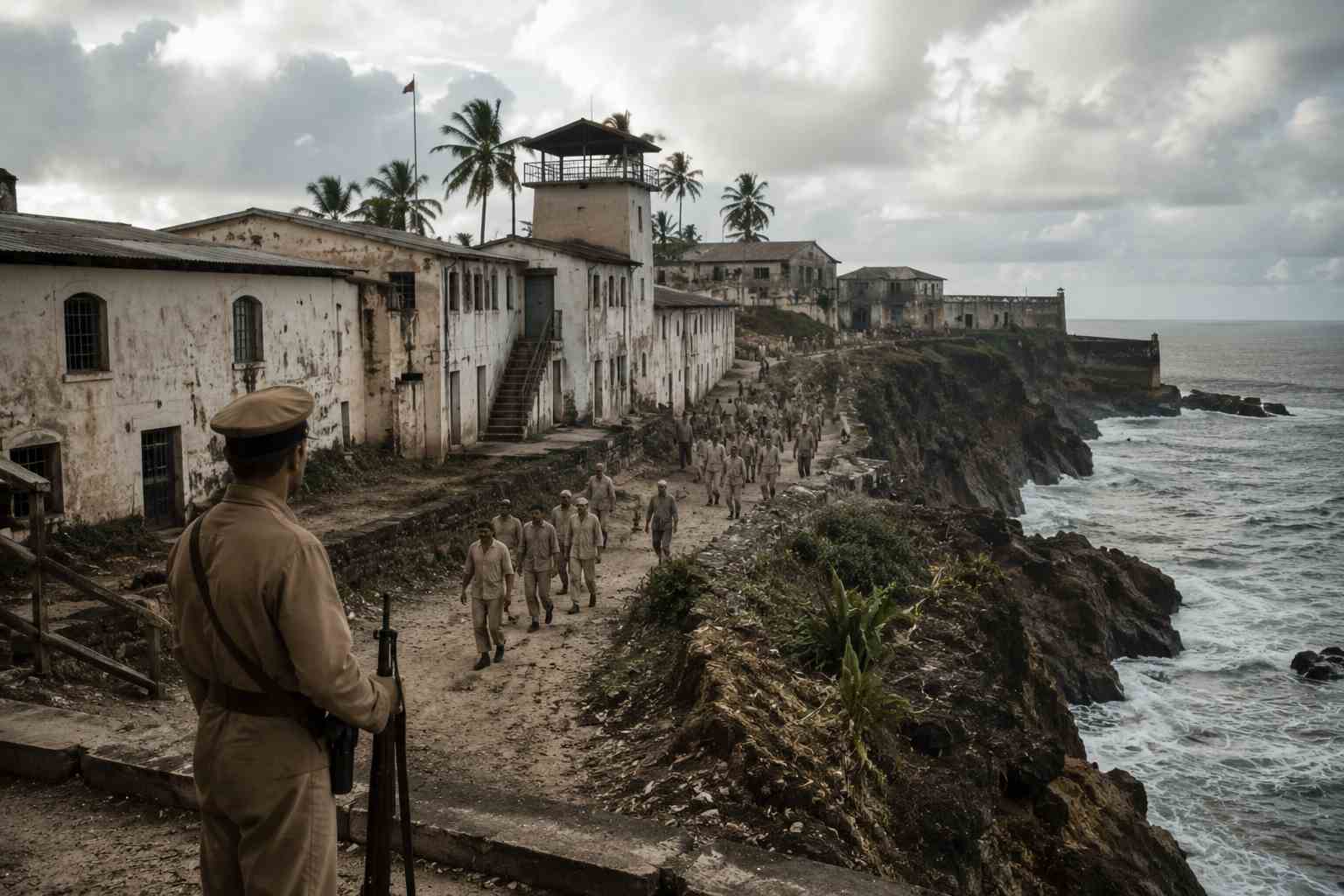
It was part of a French penal colony in French Guiana that operated for nearly a century. The prison became infamous around the world because of disease, starvation, brutal punishment, and deadly escape attempts.
Even hardened criminals feared being sent there.
The tropical climate created constant suffering. Prisoners faced:
- Malaria
- Heat exhaustion
- Insects
- Poor food
- Isolation cells
- Violent guards
- Shark-filled waters surrounding the islands
Many prisoners died long before completing their sentences.
The movie captures this atmosphere very well. The hopelessness feels real because, historically, it was real.
Even today, Devil’s Island still exists physically. The prison no longer operates, but the islands remain a historic tourist site in French Guiana. Visitors can still see ruins of prison buildings and isolation cells that once held inmates for years.
Did Henri Charrière Really Escape?
This is where the story becomes controversial.
According to Charrière’s memoir Papillon, he made multiple escape attempts over many years before finally succeeding.
The most famous moment involves him escaping using floating sacks filled with coconuts to ride ocean currents away from Devil’s Island.
It is one of the most iconic prison escape scenes ever written.
But historians have debated the truth of these events for decades.
Some researchers believe Charrière did escape eventually, but not exactly the way he described. Others believe he borrowed stories from fellow prisoners and blended them into his own memoir to create a more dramatic narrative.
French authorities and former prisoners later claimed parts of the book belonged to stories told by other inmates.
Still, many people who knew Charrière believed he genuinely survived extraordinary hardships, even if some details were embellished.
That makes Papillon unusual. It is not completely fictional, but it is not fully verified history either.
It sits somewhere between memoir, survival story, and legend.
What Happened to Louis Dega in Real Life?
Louis Dega became one of the most memorable characters in Papillon. In the films, he is the intelligent counterfeiter who forms a close friendship with Papillon during prison life.
But people often wonder:
Did Louis Dega really exist?
Yes, a real prisoner named Louis Dega did exist in the French penal system. However, historians believe the movie version is heavily fictionalized.
The real Dega may never have shared the deep friendship shown in the film. Some researchers think the character became a combination of multiple real prisoners mixed together for storytelling purposes.
In reality, records suggest Louis Dega remained in the penal system much longer than shown in the movie and likely never escaped with Charrière.
Still, the friendship between Papillon and Dega became emotionally important because it represented survival through human connection. In a place built to destroy hope, friendship became a lifeline.
That emotional truth mattered even if the historical details changed.
Who Was Julot in Papillon?
Julot is one of the most disturbing figures in the story.
In the prison hierarchy, Julot acts as a violent inmate enforcer who controls others through fear and brutality. His scenes help show how dangerous daily life inside the penal colony really was.
The character reflects a very real prison reality.
French penal colonies often developed internal power systems among inmates. Certain prisoners gained influence through violence, intimidation, or cooperation with guards.
Whether Julot existed exactly as portrayed remains uncertain. Many historians believe he represents multiple violent inmates combined into one dramatic character for the story.
But the fear he creates in the movie reflects something historically accurate: prisoners on Devil’s Island often faced danger not only from guards and disease, but from fellow inmates as well.
The Book Changed Everything
Henri Charrière published Papillon in 1969.
The memoir became an international sensation almost immediately.
Readers were shocked by the prison conditions and captivated by the escape story. The book sold millions of copies worldwide and transformed Charrière into a famous public figure.
Part of the appeal came from how personal the writing felt.
The story was not told like dry history. It felt emotional, desperate, angry, and human. Readers felt trapped alongside Papillon.
Then Hollywood noticed.
The 1973 Film Made Papillon Legendary
The 1973 adaptation starring Steve McQueen and Dustin Hoffman became one of the defining prison films of all time.
McQueen played Papillon with stubborn intensity, while Hoffman brought nervous intelligence and vulnerability to Louis Dega.
The movie’s realism, emotional weight, and prison brutality shocked audiences during the 1970s.
Even decades later, many viewers still consider it one of the greatest escape films ever made.
The film also helped turn Devil’s Island into a symbol of human endurance and resistance against impossible odds.
The 2017 Remake Brought the Story to a New Generation
In 2017, Papillon returned with Charlie Hunnam and Rami Malek in the lead roles.
The remake stayed close to the original story while introducing younger audiences to Henri Charrière’s world.
Some viewers preferred the raw power of the 1973 classic. Others appreciated the emotional focus of the newer version.
But both films kept the same central idea alive:
A man refusing to surrender his freedom even after years of suffering.
Why The Papillon Story Still Matters
The Papillon true story continues to survive because it touches something universal.
People connect with stories about endurance.
Even if parts of Charrière’s memoir were exaggerated, the emotional core feels genuine. Human beings can survive incredible pain when they still believe freedom is possible.
That idea resonates across generations.
The story also reminds people how dangerous prison systems can become when power exists without accountability. Devil’s Island became infamous because prisoners were treated as disposable human beings.
In many ways, Papillon is not just an escape story.
It is a warning about cruelty, isolation, and what happens when institutions stop valuing human life.
So, How Much of Papillon Is Actually True?
Here is the simplest way to understand it:
True Elements
- Henri Charrière was real
- Devil’s Island existed
- French penal colonies were brutal
- Prisoners suffered extreme abuse and isolation
- Charrière eventually lived as a free man after leaving the prison system
Questioned or Possibly Fictionalized Elements
- Some escape stories
- The exact coconut raft sequence
- Parts of Louis Dega’s friendship
- Certain prison characters and events
- Multiple survival stories possibly borrowed from other inmates
Most historians today believe Papillon contains both authentic memories and dramatic storytelling mixed together.
And honestly, that blend may be part of why the story became legendary.
The Final Truth Behind Papillon
When people search for the Papillon true story, they usually want a clear answer.
But the real answer lives in shades of gray.
Henri Charrière absolutely endured the nightmare of the French penal system. He absolutely survived years of punishment and imprisonment. And he absolutely turned those experiences into one of the most famous prison memoirs ever written.
What remains debated is how much happened exactly as he described.
Still, even critics who questioned his memoir admitted something important:
The suffering of Devil’s Island was real.
That truth alone gives Papillon its lasting power.
Long after the arguments about accuracy fade away, the image remains unforgettable: a prisoner staring across the ocean, risking everything for one final chance at freedom

Jessica Savitch, with a deep passion for journalism, brings her expertise to istruestory.com as a dedicated author. MA in Arts & Journalism.