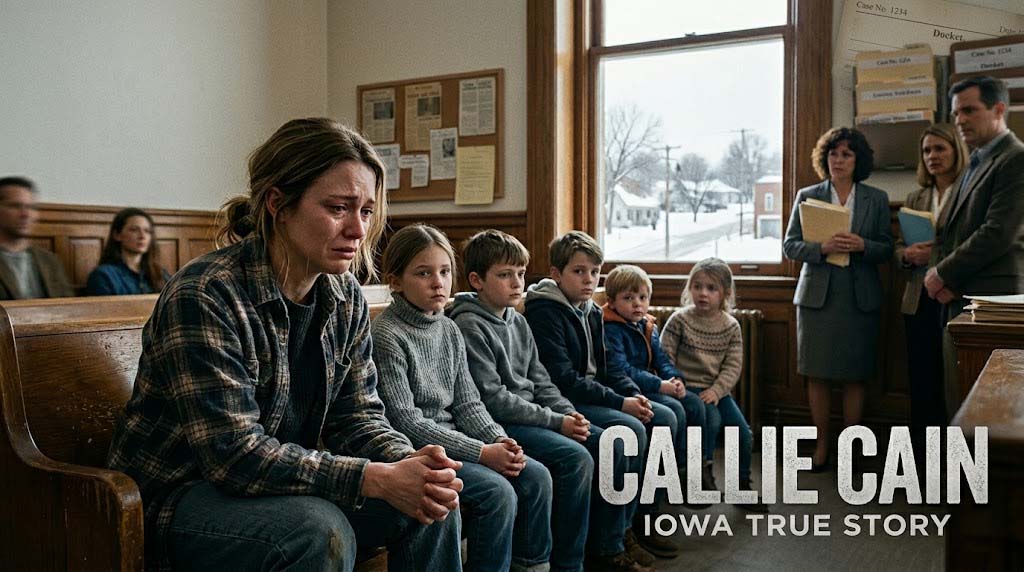
Many viewers first discovered it through the NBC television movie In the Best Interest of the Children. The film showed a struggling mother, frightened children, foster parents, and a painful court battle that divided opinions across America. But after watching it, many people asked the same question:
Was this actually real?
The short answer is yes. The story was inspired by a real Iowa custody case involving a mother named Callie Cain and her children. The case became one of the most emotional foster care battles of the 1980s and later inspired national discussion about mental health, parental rights, and child welfare systems.
What makes the story even more haunting is that many details were not simple Hollywood fiction. Real court records, interviews, and news reports confirmed that the Cain family truly existed.
Why People Still Search for Callie Cain Today
Even decades later, people still search online for:
- “Callie Cain Iowa true story”
- “Where are the Cain children now?”
- “Was In the Best Interest of the Children real?”
- “What happened to the family?”
Part of the reason is emotional. The movie never felt like a normal TV drama. It felt raw. Messy. Human.
Unlike many fictional foster care films, this story showed children trapped between two worlds. Their biological mother loved them, but she struggled deeply with mental illness and poverty. Meanwhile, the foster parents created a safer home and became emotionally attached to the children.
That conflict made the case unforgettable.
Was In the Best Interest of the Children Based on a True Story?
Yes. The 1992 NBC film was based on the real Iowa case involving Callie Cain and her children. The movie starred Sarah Jessica Parker as Callie Cain and Sally Struthers as foster mother Patty Pepper.
The story focused on the legal fight between the children’s biological mother and foster parents after the children had spent years in foster care.
The movie changed some details for television, but the foundation of the story came directly from real events that happened in Iowa during the 1980s. Court records from Iowa confirmed custody disputes connected to the Cain family.
This is one reason the film still feels emotionally powerful today. It was not built around fantasy or exaggerated crime drama. It came from a real family crisis.
Who Was the Real Callie Cain?
Callie Cain was a mother from Iowa who struggled with severe emotional and psychological challenges while raising several children under difficult conditions.
Reports from the time described problems involving unstable living conditions, poverty, and mental health concerns. Authorities eventually removed the children from the home and placed them into foster care.
The children were later cared for by foster parents Patty and Harlan Pepper, who became deeply attached to them.
Over time, the children also bonded strongly with the foster family. That emotional attachment later became central to the legal battle.
The real Callie Cain became a controversial figure in public discussions. Some people viewed her as a mother failed by the system. Others believed the children were safer away from her care.
That debate never fully disappeared.
What Happened Inside the Cain Family Home
The real-life case painted a painful picture of instability.
According to reports connected to the case, the children experienced neglect, poor supervision, and difficult living conditions before entering foster care. The state eventually intervened because officials believed the children were at risk.
At the same time, later discussions about the case raised bigger questions about how America handled mental illness during that era.
Back then, mental health support systems were far weaker than they are today. Many struggling parents received little long-term treatment or family support.
That reality added another emotional layer to the story. The case was never simply “good versus bad.” It was about broken systems, poverty, emotional illness, and children caught in the middle.
The Foster Care Battle That Shocked Iowa
The biggest turning point came after the children had already spent significant time with foster parents.
Patty and Harlan Pepper reportedly wanted to keep the children permanently because they believed returning them would cause emotional harm. Meanwhile, Callie Cain wanted reunification with her children.
The case became emotionally explosive because both sides argued they loved the children.
Courtrooms faced painful questions:
- Should biology automatically decide custody?
- Should emotional attachment matter more?
- Could the mother recover enough to safely parent again?
- What was truly “in the best interest of the children”?
Those questions later inspired the movie’s title.
The case gained attention far beyond Iowa because it reflected national concerns about foster care laws in America during the 1980s.
What Happened to the Cain Children After the Court Case?
One reason people still search for this story is simple: many viewers want to know what happened after the movie ended.
Unfortunately, detailed public information about the real Cain children later in life is limited. Most eventually disappeared from public attention as adults.
Some reports suggested that the children remained connected to foster or adoptive environments after the legal battles ended. However, because many records involved minors, later details were protected or kept private.
That lack of public information created mystery around the family.
People still search phrases like:
- “the Cain children where are they now”
- “In the Best Interest of the Children real family”
- “Callie Cain children today”
But verified public updates remain extremely limited.
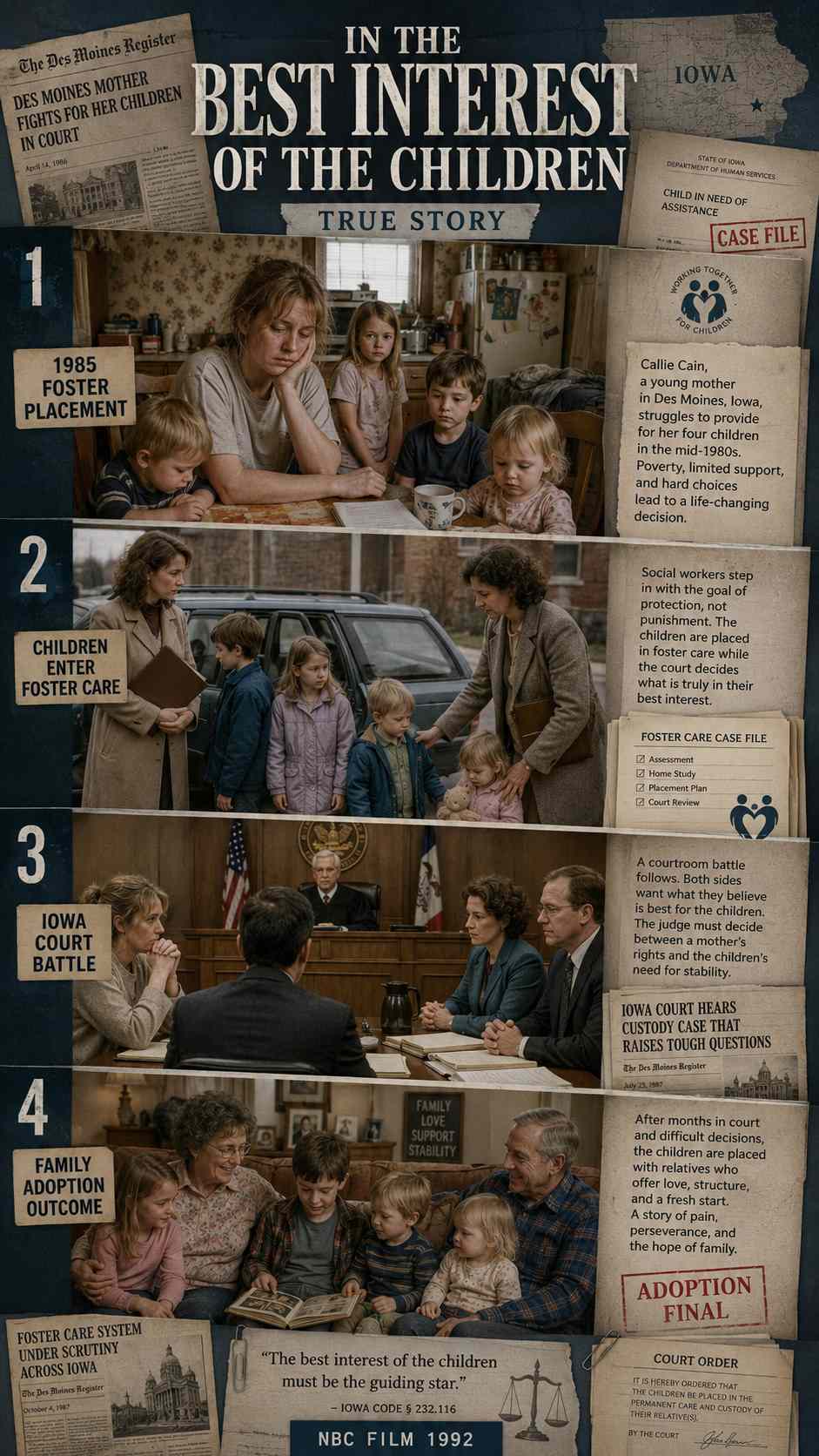
How Accurate Was the Movie?
The film captured the emotional core of the real case surprisingly well.
Several elements closely matched real events:
| Movie Element | Real-Life Connection |
|---|---|
| Callie Cain character | Based on real Iowa mother |
| Foster care placement | Happened in real case |
| Court custody fight | Based on actual legal disputes |
| Emotional attachment issues | Major part of real controversy |
| Iowa setting | Real location of the events |
However, some scenes were dramatized for television. Dialogue, timelines, and certain family interactions were simplified or recreated for emotional storytelling.
Still, the film remained grounded in real events far more than many “based on a true story” movies.
Did This Story Change Foster Care Conversations?
Yes, especially in Iowa.
Cases like this helped increase public pressure for clearer foster care policies and better long-term planning for children trapped in extended custody disputes.
People began asking difficult questions about:
- child attachment
- foster parent rights
- reunification timelines
- parental mental health treatment
- child trauma during custody transfers
The story also exposed emotional problems inside the foster care system itself. Children sometimes formed deep bonds with foster families only to face sudden removal later.
That emotional conflict became one of the film’s most heartbreaking themes.
Is Foster Boy Connected to This Story?
Some viewers also compare the case to the film Foster Boy, another movie about child welfare failures and abuse inside foster systems.
However, Foster Boy is a separate story and not directly connected to Callie Cain or the Iowa case. While both explore foster care trauma, they come from different real-life inspirations.
The confusion happens because both films deal with similar emotional themes:
- child protection systems
- foster care abuse
- legal battles
- emotional trauma
- institutional failures
Why This Story Still Feels So Emotional
What makes the Callie Cain story unforgettable is that nobody fully “wins.”
The biological mother loses time with her children.
The children lose stability and certainty.
The foster parents risk losing children they grew to love.
Even today, viewers argue over what should have happened.
Some believe the children should always stay with biological parents whenever possible. Others believe emotional safety matters more than blood relation.
That debate still exists today inside foster care systems across America.
The film did not offer easy answers because the real case never had easy answers either.
The Lasting Legacy of the Cain Family Story
The real story behind Callie Cain became more than just a television movie. It became part of a larger American conversation about family, mental illness, and child protection.
And that is probably why people still search for it decades later.
Not because it was shocking.
Not because it was sensational.
Because it felt painfully real.
The children in the story were not fictional symbols. They were real kids whose lives became part of a national debate over what truly matters most when families fall apart.

Jessica Savitch, with a deep passion for journalism, brings her expertise to istruestory.com as a dedicated author. MA in Arts & Journalism.