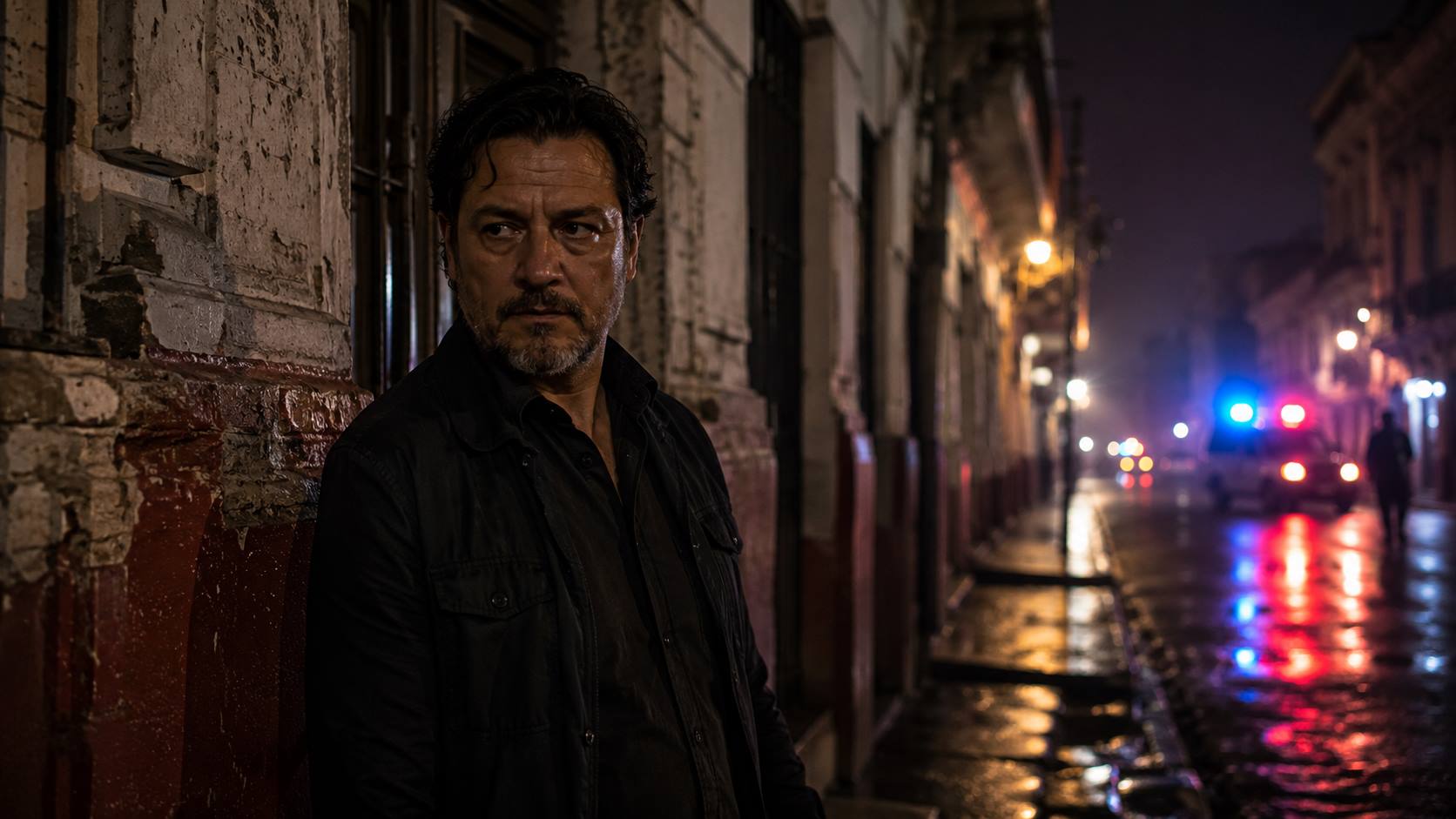
Then there is John Creasy.
Denzel Washington plays him in Man on Fire like a man carrying a whole graveyard inside his chest. Quiet. Broken. Dangerous. But somehow still human.
So when people search for the John Creasy true story, the question makes sense. Creasy feels too damaged, too specific, and too emotionally real to be fully made up.
Bottom line: John Creasy was not a real person. He is a fictional character from A.J. Quinnell’s 1980 thriller novel Man on Fire. The 2004 film starring Denzel Washington is based on that novel, not on one single real-life case. But the story was shaped by real fears around kidnappings, bodyguards, ransom crime, and violence against wealthy families.
That is where the truth begins.
Quick Movie Information
| Detail | Information |
|---|---|
| Movie | Man on Fire |
| Release Year | 2004 |
| Director | Tony Scott |
| Main Actor | Denzel Washington |
| Character | John Creasy |
| Co-star | Dakota Fanning as Pita Ramos |
| Based On | Man on Fire novel by A.J. Quinnell |
| Original Novel Year | 1980 |
| Genre | Action, crime, drama, thriller |
| True Story Status | Fictional story inspired by real-world kidnapping fears |
Who Is John Creasy?
John Creasy is the main character in the 2004 movie Man on Fire. In the film, he is a burned-out former CIA operative and bodyguard. He is hired to protect a young girl named Pita Ramos in Mexico City. At first, Creasy is cold and distant. He does not want friendship. He does not want hope.
But Pita gets through to him.
That is the soul of the movie.
The film’s official story follows Creasy as a former CIA operative who takes a bodyguard job in Mexico City and then hunts the people responsible after Pita is kidnapped.
In the original novel, the character is slightly different. His name is Marcus Creasy, and he is an American-born former French Foreign Legion soldier and mercenary. The first book places the story in Italy, not Mexico.
So, the movie did what Hollywood often does. It kept the emotional engine, then rebuilt the car.
Is John Creasy Based On A Real Person?
No. John Creasy is not based on one real man.
A.J. Quinnell created Creasy as a fictional thriller character. The novel Man on Fire introduced him in 1980, and the character later appeared in more books.
But here’s what matters: Creasy feels real because Quinnell did not invent the world around him from nothing. The novel was shaped by real kidnapping cases and real criminal threats. One reported influence was the kidnapping of the son of a wealthy Singaporean man. Another influence involved kidnapping fears in Italy, where rich families sometimes hired bodyguards for protection.
So the answer is not simply “fake.”
It is better to say this:
John Creasy is fictional, but the fear behind his story is real.
That is why the movie hits so hard.
How Much Of Man On Fire Is True?
Man on Fire is not a direct true story.
There was no confirmed real John Creasy who rescued Pita Ramos. There was no exact real-life case matching the full plot of the 2004 movie. The movie is adapted from A.J. Quinnell’s novel, and the film changes several details from the book.
But some parts connect to real life:
- Kidnappings for ransom were real criminal threats.
- Wealthy families did hire bodyguards in dangerous environments.
- The fear of corrupt officials and organized crime gave the story a realistic edge.
- Creasy’s emotional trauma reflects many fictional portraits of soldiers, operatives, and mercenaries who cannot return easily to normal life.
The 2004 movie shifts the setting from the novel’s Italy-based world to Mexico City. That change gives the film a more modern crime-thriller feeling.
So when someone asks, “How much of Man on Fire is true?” the fair answer is:
The plot is fictional. The crime atmosphere is inspired by real-world fears.
Why People Think John Creasy Was Real
Denzel Washington is the main reason.
He does not play Creasy like a superhero. He plays him like a man who is tired of surviving. Every quiet stare feels heavy. Every word feels like it costs him something.
That performance makes the character feel lived-in.
Tony Scott’s direction also helps. The movie uses shaky visuals, fast cuts, harsh colors, and a restless rhythm. It feels hot, unstable, and dangerous. It does not look polished in a clean way. It feels bruised.
Then Dakota Fanning enters as Pita, and suddenly the movie has a heart.
Their bond is what sells the whole thing. Without that relationship, Man on Fire would just be another revenge thriller. With it, the movie becomes a story about a dead soul waking up again.
That is why people leave the film thinking, “This must have happened.”
Emotionally, it feels true.
Factually, it is fiction.
What Happened To Creasy At The End?
At the end of the 2004 movie, Creasy trades himself to save Pita.
He is badly wounded. He knows he is probably not walking away from this. But he chooses Pita’s life over his own. That is the full circle of the character.
At the start, Creasy does not believe his life has value. By the end, he gives that life meaning through sacrifice.
The film strongly suggests that Creasy dies after the exchange. He has completed his mission, saved the girl, and finally found peace.
This is why the ending lands so hard. It is not just action. It is redemption.
Creasy begins the story as a man on fire from pain. He ends it as a man who burns out protecting someone innocent.
Was Pita Ramos A Real Girl?
No. Pita Ramos is also fictional.
In the 2004 movie, Pita is played by Dakota Fanning. In the original novel, the young girl is named Pinta Balletto, and the story is set in Italy.
The character’s purpose is emotional. She is not just “the kidnapped girl.” She is the person who makes Creasy care again.
That is why the first half of the movie matters so much.
We watch Pita ask questions. We watch her tease Creasy. We watch him soften. We watch him teach her. She gives him a reason to live before the story gives him a reason to fight.
Without Pita, Creasy is only violence.
With Pita, he becomes tragic.
Why Did Denzel Washington Refuse To Kiss Julia Roberts?
This question is not from Man on Fire, but it often appears in searches about Denzel Washington.
It comes from The Pelican Brief, the 1993 legal thriller starring Denzel Washington and Julia Roberts. Over the years, reports have said that a romantic kiss between Washington and Roberts was removed or avoided. Some coverage says Washington was concerned about how his core Black female audience might respond to an interracial romantic scene at that time.
It is important not to mix this with Man on Fire. It has nothing to do with John Creasy or Pita. It is a separate Denzel Washington movie fact that people often search alongside his famous roles.
The Original Man On Fire Novel
The source material matters here.
Man on Fire began as a 1980 novel by A.J. Quinnell, the pen name of author Philip Nicholson. The book introduced Creasy as a former soldier and mercenary hired to protect a young girl.
The novel’s story is darker and more grounded in the European kidnapping fears of its time. Italy was the original setting. The 2004 movie moves the story to Mexico City and changes Creasy into an ex-CIA operative.
That change works for Tony Scott’s version because the movie is not trying to be a quiet literary adaptation. It is loud, emotional, violent, and stylish.
Very Tony Scott.
Very Denzel.
Very 2004.
Why Man On Fire Still Works
Let’s be honest. The movie is not subtle.
It is big. It is angry. It is visually intense. It has revenge, torture, corruption, gunfire, explosions, and a lead character who turns pain into punishment.
But the reason people still talk about it is not the violence.
It is the sadness.
Creasy is not exciting because he is dangerous. He is interesting because he is empty. When Pita gives him friendship, the movie changes shape. It stops being just about protecting a child. It becomes about a man slowly remembering that he is still human.
That is the secret sauce.
A lesser movie would rush to the revenge. Man on Fire takes time building the relationship first. That makes the revenge feel personal. It makes the ending hurt.
John Creasy In The 1987 And 2004 Versions
The 2004 film was not the first adaptation.
There was also a 1987 version of Man on Fire, starring Scott Glenn as Creasy. The later 2004 version became much more famous, mainly because of Denzel Washington’s performance, Tony Scott’s style, and Dakota Fanning’s emotional role.
The 2004 film also performed strongly at the box office. Box Office Mojo lists its worldwide gross at over $130 million, with a reported budget of about $70 million.
That success helped turn Denzel’s Creasy into the version most people remember.
Is Man On Fire Worth Watching Today?
Yes, especially if you like emotional revenge thrillers.
But you should know what kind of movie you are getting.
This is not a clean detective story. It is not a realistic kidnapping documentary. It is a dramatic action thriller about guilt, protection, revenge, and sacrifice.
Watch it for:
- Denzel Washington’s powerful performance
- Dakota Fanning’s emotional presence
- Tony Scott’s intense visual style
- The bodyguard-child bond
- The tragic ending
Do not watch it expecting a fully true crime retelling.
That is not what it is.
Simple Answers To Common Questions
Who is John Creasy?
John Creasy is a fictional former CIA operative in the 2004 film Man on Fire. In the original A.J. Quinnell novel, he is Marcus Creasy, a former soldier and mercenary.
Is John Creasy real?
No. John Creasy is not a real person. He is a fictional character inspired by thriller writing and real-world kidnapping fears.
How much of Man on Fire is true?
The main story is fictional. The film is based on a novel, but the kidnapping danger and bodyguard setting were inspired by real crime fears.
What happened to Creasy at the end?
Creasy saves Pita by giving himself up. He is badly wounded, and the movie suggests he dies after the exchange.
Was Pita Ramos real?
No. Pita Ramos is fictional. She is based on the child character from the original novel, though the movie changes names and setting.
What The Fire Leaves Behind
The John Creasy true story is not about finding one real man behind the movie.
It is about understanding why a fictional man feels real.
Creasy is built from familiar fears: kidnapping, violence, corruption, trauma, and the desperate need to protect someone innocent. But the reason he stays with viewers is emotional. He is a man who thinks he is finished, until a child reminds him he still has something good left inside.
That is why Man on Fire keeps burning in people’s memory.
Not because John Creasy was real.
Because, in the moment Denzel Washington plays him, he feels like he could be.

I am Jeremy Jahns – Your Cinematic Explorer
Immerse in movie reviews, Hollywood insights, and behind-the-scenes stories.