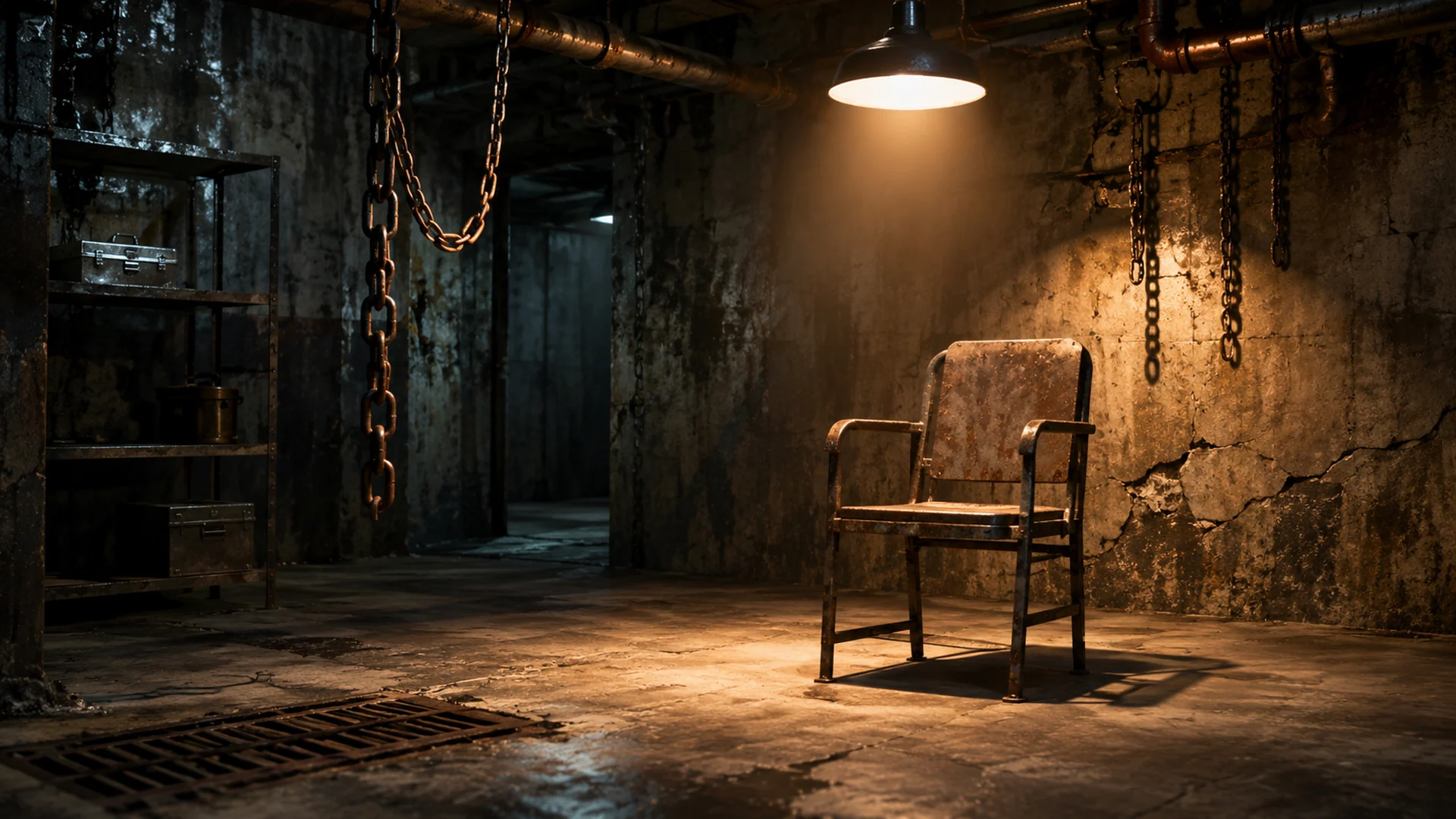
Two strangers wake up chained in a filthy room. A hidden voice gives them an impossible choice. It feels like the kind of nightmare that must have come from a real case. But did it?
No. The 2004 movie Saw is not based on a true story. John Kramer, the Jigsaw Killer, and his deadly games are fictional. What is real is the fear behind the idea: filmmaker Leigh Whannell drew on his own health anxiety, while director James Wan helped shape a simple, low-cost thriller into a disturbing mystery.
The strongest evidence comes from the filmmakers themselves, not from internet stories about supposed real Jigsaw killers. Their early interview about the screenplay and a 2004 interview with both creators explain where the film came from.
Is the Movie Saw Based on a True Story?
The answer is no, and there is an important difference between inspired by a real emotion and based on real events. The makers did not dramatize a known police investigation, actual chain of murders, or documented Jigsaw case. They invented the characters, the room, the rules, and the central twist.
That distinction matters because some online accounts attach the story to famous criminals such as Ted Bundy or the Zodiac Killer. Those comparisons may sound chilling, but they are not proof that either criminal inspired John Kramer. The creators describe a different and far better documented origin.
If you want a contrasting example, our guide to serial killer movies drawn from real crimes looks at films with identifiable cases behind them. Saw belongs on the fictional side of that line.
What’s the Story Behind Saw?
James Wan started with a simple nightmare
The central concept was small: two men wake up chained inside one awful room, with no idea why they are there. Wan and Whannell were young Australian filmmakers trying to make a feature without a huge budget. A limited location was not a weakness. It became the source of the suspense.
In a 2004 interview with the filmmakers, Whannell explained that keeping two men trapped in a bathroom was an affordable way to build a movie. The pair later filmed a short demonstration of a frightening scene to show producers what their project could look like. A contemporary production interview confirms that the short helped prove Wan could direct and Whannell could act in the feature.
It is an unexpectedly practical beginning for a horror franchise: first, invent a frightening situation the audience can understand in seconds. Then let the questions grow. Who locked these people inside? What connects them? What is the hidden watcher trying to prove?
Leigh Whannell brought in a very real fear
The emotional spark was personal. While working on the screenplay, Whannell was dealing with stress, headaches, and worry that something might be seriously wrong with his health. He feared he might have a brain tumor. In his firsthand account to JoBlo, he describes how the relief of feeling healthy again fed the film’s idea about people valuing their lives after facing possible death.
This does not mean Whannell had the fictional killer’s cancer, nor that the movie retells his medical experience. His anxiety helped create a question: What would someone do if they believed their remaining time was running out? The script turns that human fear into Jigsaw’s cruel and distorted philosophy.
Wan and Whannell also wanted to tell their story through the people caught in the trap, rather than make the detectives the main focus. That point, along with Whannell’s interest in contained thrillers such as Cube, comes directly from the same interview.
Who Is the Real Saw Killer? Was John Kramer Real?
There is no verified real-life John Kramer behind the character. John Kramer is a fictional man played by Tobin Bell. The original movie introduces him through the name Jigsaw, a figure who designs tests and claims they will teach victims to appreciate life.
That is Jigsaw’s excuse inside the story, not a sound moral argument. The people placed in these traps have no meaningful freedom to consent. A person who threatens another life has not become a teacher simply by calling the threat a lesson.
The strongest real-world link is psychological rather than biographical: illness, fear, control, and the uncomfortable question of what people might do to stay alive. The film adds industrial props, timers, and clues to make that fear tangible.
For comparison, the true-story question behind Scream is often discussed through the real crime history surrounding that movie. Saw has no similarly documented killer case at the center of its creation.
What Happens in the Original Saw Movie?
In Saw (2004), photographer Adam Stanheight and Dr. Lawrence Gordon regain consciousness chained on opposite sides of a dirty bathroom. They find a body between them, cryptic clues, and instructions setting a deadline. Gordon is told his family will be in danger if he does not follow the rules.
The film moves between the men’s attempts to escape and the wider hunt for Jigsaw. Much of its tension comes from not knowing who is telling the truth, who is watching, or whether the apparent evidence can be trusted. The opening premise is confirmed in an October 2004 creator interview.
Spoiler warning: The next section discusses who survives and the ending of the first film, with details revealed in later sequels.
Did Anyone Survive in Saw?
Yes. Amanda Young survives the reverse bear trap shown in the original film. Dr. Lawrence Gordon escapes the bathroom after a desperate injury, though the first movie does not show what happens to him afterward. A later installment, Saw 3D, confirms he survived.
Adam is a different case. At the end of the first film, he is still alive but trapped in the room. A later flashback in Saw III shows that Amanda returns and kills him. This is why saying that both men die at the end of the first movie would be inaccurate. The franchise timeline explained by Den of Geek separates what viewers know in 2004 from what sequels reveal.
The final revelation also changes the meaning of the room: the apparently dead figure has been part of Jigsaw’s plan all along. It is a scripted twist, not an incident recorded in an actual crime report.
Other horror films handle survival differently. In our article about the real-world claims surrounding The Strangers, the central question is how far an unnerving home-invasion idea reflects reality. With Saw, the trap victims and outcomes are inventions of the screenplay.
Which Saw Movie Was Banned and Why?
Saw VI (2009) faced a major release restriction in Spain. Spain’s film classification authority, the ICAA, assigned it an X rating because of extreme violence. At the time, that classification prevented the planned ordinary nationwide cinema release and limited where the film could be screened.
This is often shortened online to “Saw VI was banned.” That wording is too broad. The movie was not banned worldwide, and an X rating is a classification with distribution consequences rather than the same thing as a blanket prohibition. The Spanish film authority’s official listing records the X classification dated October 16, 2009. Screen Daily’s reporting on October 23, 2009 documents the postponed wide release and distributor’s appeal.
There is also a separate rating story for the first movie. Wan said in a 2004 interview that the original Saw initially received an NC-17 rating in the United States and was trimmed for an R rating. That is not the same as being banned.
Ratings can change from country to country. Horror fans curious about these distinctions may also like our look at The Human Centipede and film restrictions, where distribution rules are another major part of the story.
Why Does Saw Feel Like a Real Crime Story?
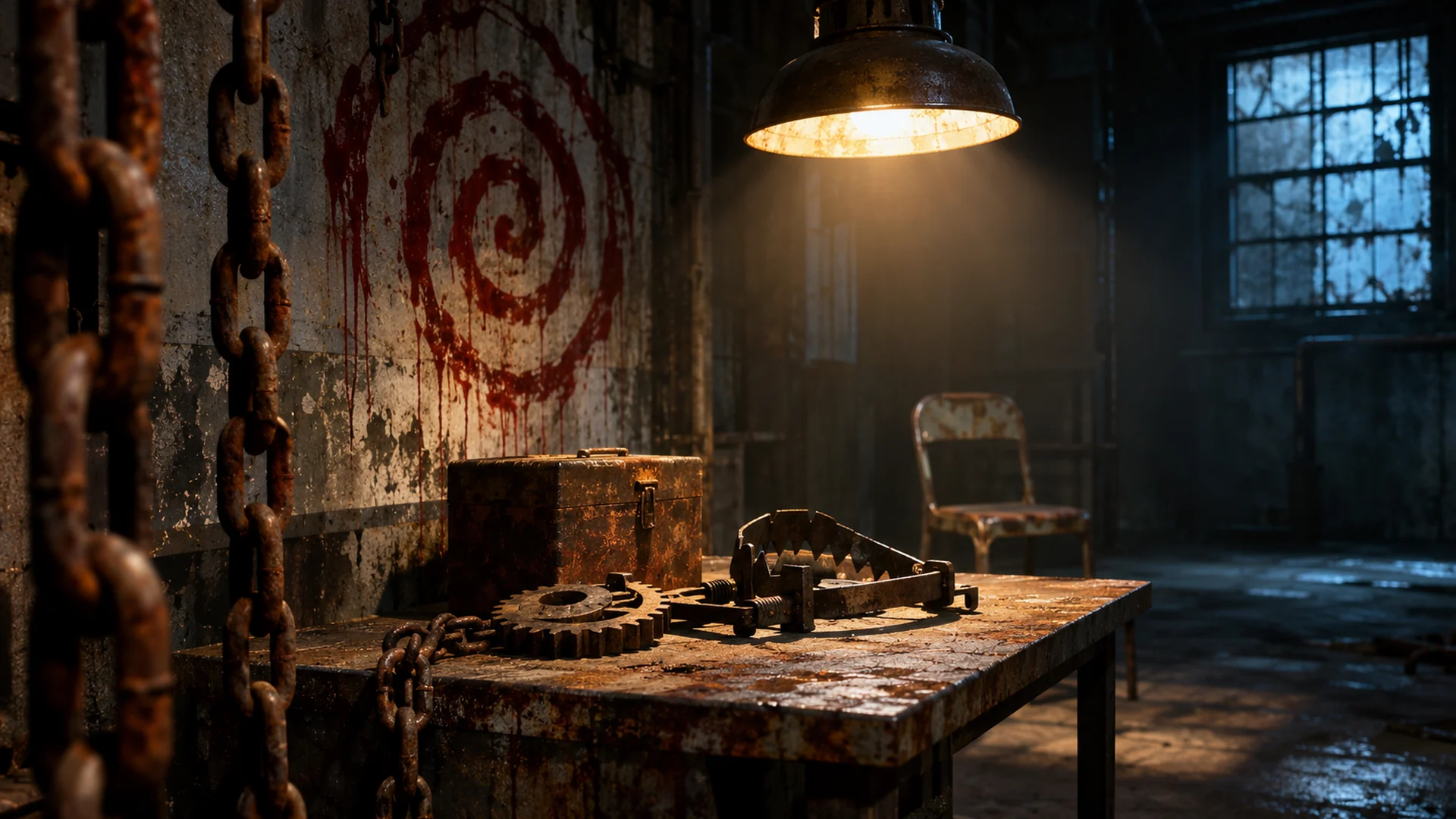
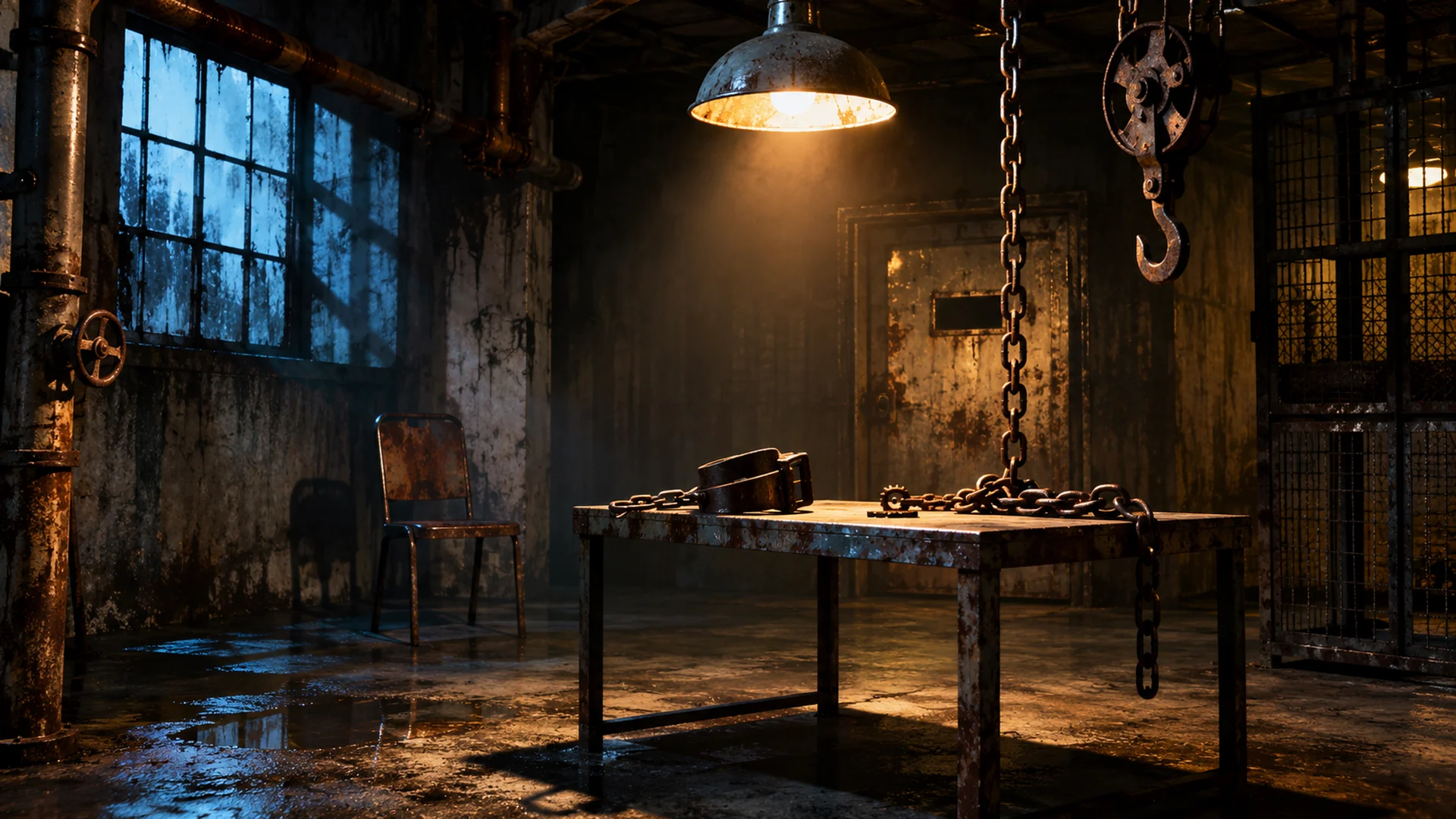
The film never needs a true-case label to feel disturbing. It places ordinary-looking people in a physical space that appears used, neglected, and uncomfortably close. Chains and rust suggest a history. A clock makes every minute seem costly. The clues invite the audience to solve the puzzle at the same time as the characters.
Most important, its fear begins with familiar thoughts. What if a medical worry changed how you saw your future? What if someone else controlled whether you could go home? What would you give up to protect someone you love? Those questions are real even when the events are not.
This is a different effect from a movie such as Wolf Creek, with its documented real-crime inspirations. Saw works because the filmmakers build a believable emotional problem and then push it into fiction.
The Real Answer Behind Saw
Saw was created by James Wan and Leigh Whannell, not adapted from a real Jigsaw murder case. Its most credible inspiration is a blend of low-budget storytelling, contained-thriller influences, and Whannell’s genuine fear about his health. John Kramer and the tests are made up; the anxiety that helped inspire their meaning was not.
That is the distinction worth remembering: the story is fictional, but the fear behind it is human.
I am Jeremy Jahns – Your Cinematic Explorer
Immerse in movie reviews, Hollywood insights, and behind-the-scenes stories.