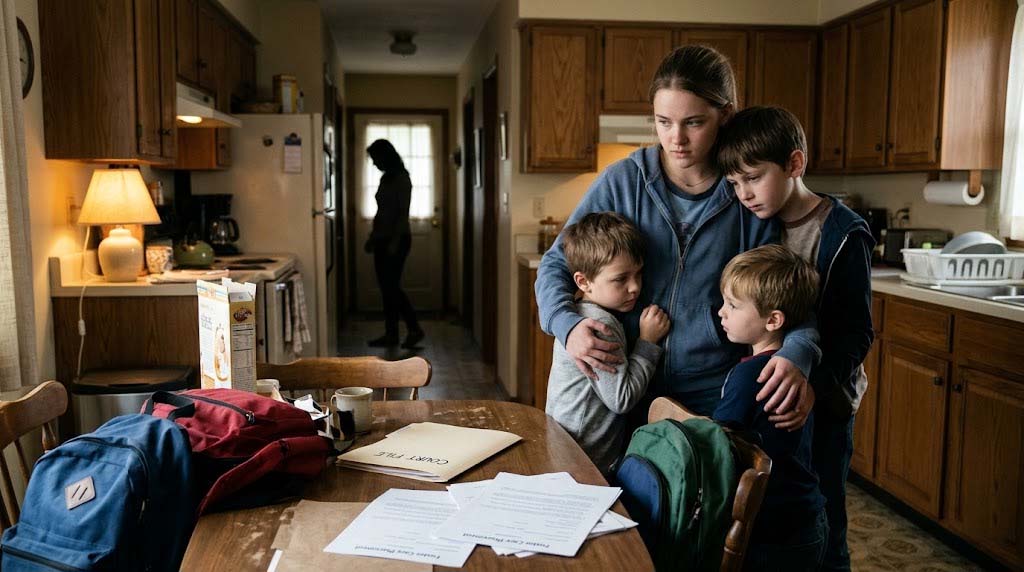
But here’s what makes the film unforgettable: it was inspired by actual events.
The story behind Gracie’s Choice came from a real-life account first shared in a Reader’s Digest article called A Lifelong Fight by journalist Rena Dictor LeBlanc. The movie changed names and dramatized certain scenes, but the emotional core remained true to the experiences of a teenage girl who fought to keep her siblings together.
Jessica Savitch’s investigative storytelling style is especially fitting for this topic because the film is not just about family drama. It is about survival, trauma, foster care fears, and a young girl making impossible decisions before adulthood even began.
Was Gracie’s Choice Based on a True Story?
Yes. Gracie’s Choice was based on the real experiences of Amy Waldroop, whose life inspired the movie. In the film, her name was changed to Gracie Thompson or Gracie Weatherly depending on the adaptation references.
Like the character in the movie, Amy grew up in a deeply unstable home environment. Her mother struggled with drug addiction, and the children often lived without safety or consistency. Amy became the emotional and practical caretaker for her younger siblings while still a teenager herself.
The biggest fear was foster care separation.
Amy understood that once child services became involved, her brothers and sisters could be split into different homes. Instead of letting that happen, she made a shocking decision for someone her age: she petitioned the court for custody of her siblings.
That fight became the emotional heart of the movie.
The Real Story Behind Gracie Weatherly
The movie simplified several details, but the core events remained close to reality.
Amy was reportedly around 17 years old when she stepped into a parental role. She balanced school, work, and legal responsibilities while trying to provide a stable home for her brothers.
The film shows Gracie struggling with exhaustion, fear, and frustration. Those moments resonated because they reflected what many young caregivers actually experience.
The movie also changed names to protect the real family’s privacy. According to multiple reports, the “Weatherly” surname symbolized the emotional storms the family survived together.
That symbolic choice gave the story a more universal emotional meaning.
What Happened to the Boys From Gracie’s Choice?
This is one of the questions viewers still ask most often.
According to reports connected to the real story, the siblings were ultimately able to stay together under Amy’s care. That was the real victory behind the film.
The boys later grew into adulthood away from public attention. Unlike many true-story subjects who stay in the media spotlight, the real family chose privacy.
That decision makes sense when you think about what they survived.
They spent their childhood inside instability, courtrooms, addiction struggles, and emotional trauma. A quiet adult life was probably the healthiest ending possible.
Some reports suggest the brothers went on to live normal adult lives with jobs, homes, and stability.
And honestly, that may be the most powerful ending of all.
What Happened to the Mom in Gracie’s Choice?
In the movie, Anne Heche played Rowena Lawson, Gracie’s troubled mother. Her character battled addiction and repeatedly failed to provide a safe environment for her children.
That part of the story was also rooted in reality.
The real mother reportedly struggled with long-term substance abuse issues that created chaos inside the household. Amy’s legal fight became necessary because the children’s future was at risk.
The film portrays the mother with complexity rather than turning her into a simple villain. That is one reason the story still feels emotionally honest today.
Addiction damaged the family deeply, but the movie also showed how children caught inside those situations often still love their parents despite the pain.
That emotional contradiction is one of the film’s strongest and most heartbreaking elements.
What Does 143 Mean in Gracie’s Choice?
The number “143” appears in the movie as a coded expression of love.
Traditionally, “143” means:
- 1 letter = I
- 4 letters = Love
- 3 letters = You
So “143” translates to “I Love You.”
In Gracie’s Choice, the number becomes an emotional symbol of connection between siblings during moments when words are difficult. It reflects the quiet emotional language many families develop during hard times.
Even viewers who forget plot details often remember that number because it carried emotional warmth inside such a painful story.
Kristen Bell and Anne Heche’s Performances
One reason the movie stayed popular for years is the cast.
Kristen Bell brought vulnerability and determination to Gracie. Long before becoming globally famous through projects like Frozen and The Good Place, she delivered one of her most emotionally grounded performances here.
Anne Heche’s role as the mother earned major praise as well. Critics highlighted the emotional intensity she brought to the character, and she later received an Emmy nomination for her performance.
The movie itself received positive reactions because audiences connected strongly with its realism and emotional weight.
What the Movie Changed From Real Life
Like most true-story adaptations, Gracie’s Choice adjusted certain details.
The names were changed. Some scenes were compressed or dramatized. The legal timeline was simplified for television storytelling.
But the main truth stayed intact:
- A teenage girl fought to keep her siblings together
- Addiction destroyed stability at home
- Foster care separation became a real threat
- Family loyalty pushed a young girl into adulthood too early
That emotional reality is why the movie still feels authentic even decades later.
Why Gracie’s Choice Still Matters Today
A lot of “based on a true story” movies fade away after a few years.
Gracie’s Choice didn’t.
Part of the reason is that the issues inside the movie still exist today. Across the United States and many other countries, older siblings continue stepping into caregiver roles because addiction, poverty, or neglect leave families in crisis.
The movie gave visibility to children who quietly become protectors long before they should.
It also showed something many viewers rarely think about: keeping siblings together inside the foster system can completely change a child’s emotional future.
That truth gave the story lasting emotional power.
Quick Facts About Gracie’s Choice
| Detail | Information |
|---|---|
| Release Year | 2004 |
| Network | Lifetime |
| Director | Peter Werner |
| Lead Actress | Kristen Bell |
| Mother Character | Anne Heche |
| Inspired By | Reader’s Digest true story |
| Real-Life Inspiration | Amy Waldroop |
| Main Theme | Sibling guardianship and family survival |
| Meaning of 143 | “I Love You” |
| Emmy Recognition | Anne Heche nomination |
The Story Behind the Tears
Some movies are sad for two hours.
Gracie’s Choice hurts differently because viewers know people like Gracie exist in real life.
Teenagers raising siblings. Kids protecting younger brothers from chaos. Families trying to survive addiction while pretending everything is normal outside the house.
That is why the movie still connects with audiences today.
It was never really about courtroom victories or television drama. It was about a young girl refusing to let her family disappear.

Jessica Savitch, with a deep passion for journalism, brings her expertise to istruestory.com as a dedicated author. MA in Arts & Journalism.