The result is a story that feels lived-in because it truly is. Hatchet may not follow one exact event, but its roots grow straight out of Paulsen’s real experiences: running away as a child, surviving in the wild, and learning how to depend on nature when he had nothing else. To understand the book, you have to understand the man who wrote it.
How Much of Hatchet Is True?
Let’s start with the question most readers ask first. Hatchet is not a direct retelling of a real survival incident. Brian Robeson the boy who survives a plane crash is fictional. His exact story did not happen to Gary Paulsen. But the world Brian enters, the dangers he faces, and the lessons he learns all come from Paulsen’s life.
In his nonfiction book Guts: The True Stories Behind Hatchet and the Brian Books, Paulsen explains that nearly every survival moment in the novel was pulled from something he lived through. He writes about moose encounters, getting lost in the woods, dealing with wild weather, and learning which berries could kill you and which ones could keep you alive. These weren’t creative exercises for him. They were memories. They were scars. They were moments that stayed with him long after the forest went quiet.
That’s why Hatchet feels so grounded. Paulsen wrote with the authority of someone who had faced nature without a safety net.
Gary Paulsen’s Childhood Was Filled With Hardship
You don’t get a book like Hatchet without a writer who understands struggle. Paulsen’s early life was heavy. He grew up with parents who weren’t always present, and he spent more time alone than most children ever do. Books became his escape, but so did the outdoors.
At one point, Paulsen ran away from home, a detail fans often ask about. He didn’t run for adventure. He ran to survive. During that time, he learned to hunt, fish, and navigate wild spaces. These weren’t hobbies to him they were basic needs. When he later wrote about a boy surviving in the wilderness, he leaned on memories no child should ever have had to collect.
He wasn’t guessing about fear, hunger, or loneliness. He had lived them.
What Inspired Hatchet?
Paulsen is clear about where the heart of the story came from. Nature shaped him. The woods taught him more than any classroom ever could. But there were key experiences that lit the spark for Hatchet.
1. His Own Wilderness Survival
He spent long stretches outdoors, alone, learning how to read animal tracks and understand the rhythm of the wild. These personal experiences became the backbone of Brian’s journey.
2. His Work as a Dogsledder
Years later, Paulsen trained sled dogs in extreme conditions. He faced freezing temperatures, exhaustion, and unpredictable wildlife. These moments sharpened his understanding of how humans fight to keep going.
3. His Encounters With Animals
One of the most striking scenes in Hatchet involves a moose attack. Many readers assume this is fiction. It isn’t. Paulsen writes in Guts about a real moose that knocked him down without warning, teaching him that the wild doesn’t negotiate.
4. A Real Plane Experience
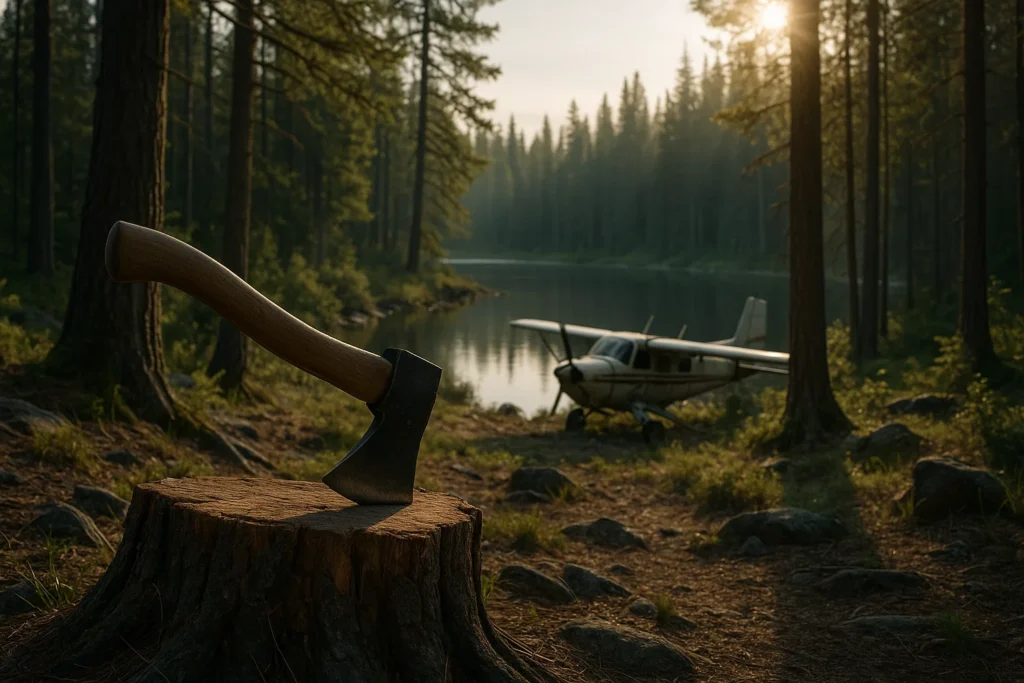
Although Paulsen did not survive a crash like Brian’s, he spent time flying in small bush planes similar to the one described in the book. He talked with pilots and paid attention to every detail. The accuracy comes from observation, not imagination.
Together, these moments built the emotional truth of the story. Paulsen never wanted to write a fantasy. He wanted to write something young readers could feel in their bones.
Did Gary Paulsen Really Run Away?
Yes. And it wasn’t a dramatic escape planned like a novel. It was a boy leaving a place that no longer felt safe. During this time, he learned how to take care of himself with almost nothing.
It’s easy to forget how young he was, but that’s the very reason readers connect so deeply with Brian. The fear, the confusion, the sudden pressure to act like an adult those emotions were not invented. Paulsen lived them.
This experience shaped his trust in nature. Where other people saw danger, he saw a teacher. Brian inherits that same perspective. It’s one of the main reasons the story’s tone stays grounded rather than heroic.
How Long Did Brian Survive in Hatchet?
In the novel, Brian survives 54 days before he is rescued. For many readers, this feels almost impossible just a few weeks might seem believable, but nearly two months alone in the wilderness sounds too extreme.
Yet Paulsen wanted readers to understand something: survival isn’t a single victory. It’s a hundred small decisions. Brian learns, adapts, fails, and tries again. That slow but steady transformation is one of the most realistic parts of the story.
Paulsen himself had endured long stretches outdoors alone. He knew how days blend, how silence becomes its own weight, and how routine can be the difference between life and death. So yes, Brian’s timeline is fictional, but the psychology behind it is absolutely real.
Where Fiction Meets Reality
What makes Hatchet interesting is that it sits right between fact and imagination. Paulsen used real memories but placed them inside a story that could reach young readers. Here’s the balance:
Fictional elements
- Brian’s name, background, and family story
- The specific bush plane crash
- The exact chain of events
Real elements
- The survival techniques
- The emotional shifts
- The wildlife encounters
- The injuries, hunger, and loneliness
- The understanding of nature as both threat and shelter
That combination is why the book continues to reach new readers every year. It’s not a documentary. It’s not a fantasy. It’s something in between something honest.
Why Hatchet Still Feels So Powerful Today
Millions of students read Hatchet in school. Parents pass it to their children. Teachers use it to talk about courage and resilience. But the reason it stays with people has less to do with the action and more to do with the heart behind the story.
Brian is a regular kid. He’s not a superhero. He’s not trained. He’s not prepared. He faces nature the same way Paulsen did: with fear first, then learning, then acceptance.
Readers see themselves in Brian. They see how a person can fall apart, adapt, and rebuild. They see the strength that comes from small victories. Paulsen never gave Brian shortcuts, and that honesty makes the book unforgettable.
Did Gary Paulsen Intend Hatchet to Be a True Story?
He didn’t want it to be taken literally. He wanted it to feel emotionally true. He even wrote Guts so readers could understand the real events behind the scenes. He wanted to answer their questions, but he also wanted them to see the deeper message: nature changes you.
Paulsen respected young readers. He never softened the story to make it more comfortable. He believed children deserved honesty, and Hatchet carries that belief on every page.
So, Is Hatchet Based on a True Story?
Here’s the bottom line.
Hatchet is not a retelling of one real event.
But it is built entirely from the truth of Gary Paulsen’s life.
- His childhood struggles
- His time running away
- His survival skills
- His encounters with wildlife
- His respect for nature
- His understanding of fear and resilience
That’s why the book endures. It may be fiction, but it comes from a place of real pain, real courage, and real experience. And that’s what gives Brian’s story its heartbeat.

Jessica Savitch, with a deep passion for journalism, brings her expertise to istruestory.com as a dedicated author. MA in Arts & Journalism.