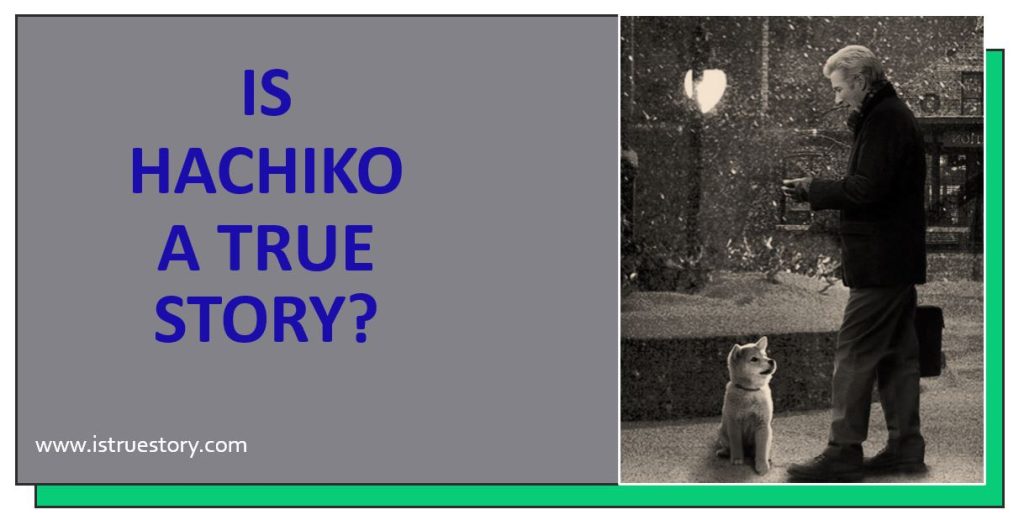
Not a legend. Not a myth. Not just a movie script.
Hachiko was a real dog who lived in Japan in the 1920s. He waited at a train station every single day for his owner, even after his owner died. And he kept waiting for nearly ten years.
Let me walk you through what really happened.
Overview of the Cast:
In Hachi: A Dog’s Tale, the emotional weight of the story rests firmly on the shoulders of Richard Gere, who plays Professor Parker Wilson with quiet warmth and restraint. He doesn’t overact the bond with Hachi. He lets it grow naturally, in small gestures and everyday moments. That choice makes the story feel real.
Joan Allen plays Cate, Parker’s wife, grounding the film with a steady, believable presence. You can feel her hesitation, then gradual understanding, as she watches the connection between her husband and the dog deepen. Sarah Roemer appears as their daughter, Andy, adding another layer of family warmth to the story.
The supporting cast quietly strengthens the world around Hachi. Jason Alexander plays the train station master, Carl Boilins, bringing subtle humanity to a character who witnesses loyalty unfold day after day. Erick Avari appears as Jasjeet, the hot-dog vendor whose small kindness becomes meaningful over time. Cary-Hiroyuki Tagawa adds cultural depth as Professor Ken Fujiyoshi, gently connecting the American setting back to the story’s Japanese roots.
Together, this ensemble does something important. They never overpower the dog at the center of the film. Instead, they create a believable human world around him — one that makes Hachi’s loyalty feel even more profound.
| Role | Actor |
|---|---|
| Main Cast | |
| Hachi (Layla / Chico / Forrest) | Hachi Wilson |
| Professor Parker Wilson | Richard Gere |
| Cate Wilson | Joan Allen |
| Andy Wilson | Sarah Roemer |
| Michael | Robbie Collier Sublett |
| Supporting Cast | |
| Ronnie | Kevin DeCoste |
| Jasjeet | Erick Avari |
| Carl Boilins | Jason Alexander |
| Ken Fujiyoshi | Cary-Hiroyuki Tagawa |
| Mary-Ann | Davenia McFadden |
| Heather | Tora Hallström |
Who Was Hachiko?
Hachikō was an Akita dog born in 1923 in Odate, Japan. The Akita breed is known for strength, calm loyalty, and deep attachment to one person.
In 1924, Hachiko was adopted by Hidesaburō Ueno, a professor at the University of Tokyo. Professor Ueno lived in Tokyo’s Shibuya district.
Every morning, Hachiko walked with his owner to Shibuya Station. In the afternoon, he returned to the station to wait for him.
This became their daily routine.
And then, something changed everything.
What Happened to Hachiko’s Owner?
On May 21, 1925, Professor Ueno suffered a sudden brain hemorrhage while at work. He died that same day. He never came back to the station.
But Hachiko didn’t know that.
That afternoon, the dog went to Shibuya Station as usual. He waited.
And he kept waiting.
Did Hachi Know His Owner Died?
We cannot know what a dog understands about death. But here is what we do know:
- Hachiko returned to Shibuya Station every day.
- He arrived at the exact time the train was due.
- He waited for hours.
For almost ten years.
From 1925 until 1935, Hachiko kept showing up at the station, hoping to see his owner again.
That is not a movie exaggeration. That is documented history.
Who Took Care of Hachiko After the Owner Died?
After Professor Ueno’s death, Hachiko was first given to relatives. Later, he lived with the family gardener and others nearby.
But no matter where he stayed, he always returned to Shibuya Station.
At first, some people treated him badly. There are reports that Hachiko was sometimes chased away or bullied in the early years.
Over time, though, something changed.
In 1932, a former student of Professor Ueno wrote a newspaper article about the loyal dog still waiting at the station. The story spread across Japan.
Suddenly, Hachiko became a national symbol of loyalty.
People began feeding him. Station workers watched over him. Children visited him.
He was no longer just a stray dog. He became a legend while still alive.
How Did Hachiko Pass Away?
Hachiko died on March 8, 1935, near Shibuya Station.
He was 11 years old.
Later examinations showed he suffered from terminal cancer and a parasitic infection. Contrary to some dramatic rumors, he did not die of heartbreak alone. But he had grown weak with age and illness.
After his death, Japan mourned him.
His body was preserved and is now displayed at the National Museum of Nature and Science in Tokyo. His remains were cremated, and his ashes were placed next to Professor Ueno’s grave.
So yes Hachiko is buried with his owner.
Is Hachi the Dog Still Alive?
No.
Hachiko died in 1935. The famous dog known from the movie is based on this real Akita.
But his memory is very much alive.
Today, the bronze statue of Hachiko stands outside Shibuya Station in Tokyo. It is one of the most famous meeting spots in Japan.
In 2015, a new statue was placed at the University of Tokyo showing Hachiko happily reunited with Professor Ueno. It represents the reunion that never happened in life.
Is Hachi Based Off a Real Story?
Yes.
The 1987 Japanese film Hachiko Monogatari and the 2009 American film Hachi: A Dog’s Tale starring Richard Gere are based on the real story of Hachiko.
The American version changes the setting to the United States. The professor becomes Parker Wilson. The train station changes. Some emotional scenes are added.
But the core truth remains:
A dog waited for his owner every day, long after the owner had died.
Did Hachiko Get Bullied?
Yes, in the early years.
Before he became famous, some people saw him as a stray dog hanging around the station. He was sometimes pushed away or mistreated.
But once his story appeared in newspapers, public opinion changed completely. He became respected and protected.
The shift says something powerful about how stories shape empathy.
What Happened to Hachiko’s Owner’s Wife?
After Professor Ueno’s death, his wife did not continue living in the same home in Shibuya. She moved away. Historical records do not show a large public role for her in the Hachiko story.
The focus remained on the bond between the professor and his dog.
Does Hachi Ever Find His Owner?
In real life, no.
Professor Ueno never returned.
In films, there is sometimes a symbolic reunion scene. But historically, Hachiko waited until the end of his life without seeing his owner again.
That is what makes the story so powerful.
Is Hachiko the Most Loyal Dog in History?
Many people call him that.
Hachikō is often described as the most loyal dog in history because:
- He waited nearly 10 years.
- His loyalty was consistent and public.
- His story was documented in newspapers at the time.
- His memory is honored with statues and national recognition.
Other dogs have shown loyalty too. But Hachiko became a symbol.
In Japan, the word used to describe him reflects deep, faithful devotion.
What About Doge?
Some people confuse Hachiko with Doge, the Shiba Inu internet meme dog.
Doge was a different dog named Kabosu. She became famous online in the 2010s.
Kabosu passed away in 2024 at age 18.
She was not related to Hachiko. They were different breeds and lived in different eras.
How Aggressive Is an Akita?
Hachiko was an Akita.
Akitas are known for:
- Strong loyalty
- Protective instincts
- Independence
- Calm but firm personality
They are not naturally aggressive without reason. But they are powerful dogs and need responsible training.
Hachiko himself was described as calm and dignified.
Why Is Hachiko So Famous Around the World?
Here’s what matters.
Hachiko’s story speaks across cultures because it touches something simple and universal:
Loyalty.
He did not understand death the way humans do. But he understood routine. He understood love. He understood waiting.
And he never stopped.
In busy modern Tokyo, the Hachiko statue is more than a landmark. It is a reminder that devotion still matters in a fast world.
Quick Recap
- Hachiko was a real Akita dog born in 1923.
- His owner, Professor Hidesaburo Ueno, died suddenly in 1925.
- Hachiko waited at Shibuya Station every day for nearly 10 years.
- He died in 1935 at age 11.
- His ashes are buried beside his owner.
- His story inspired books and films.
- He remains one of the most famous dogs in the world.
Final Thoughts
Yes, Hachiko is a true story.
And sometimes, the real story is even more powerful than the movie.
It is not just about a dog waiting at a station.
It is about routine, memory, attachment, and love that does not disappear just because someone is gone.
That is why nearly a century later, people still stop at Shibuya Station, look at the bronze statue, and feel something.
Not sadness alone.
Respect

Jessica Savitch, with a deep passion for journalism, brings her expertise to istruestory.com as a dedicated author. MA in Arts & Journalism.