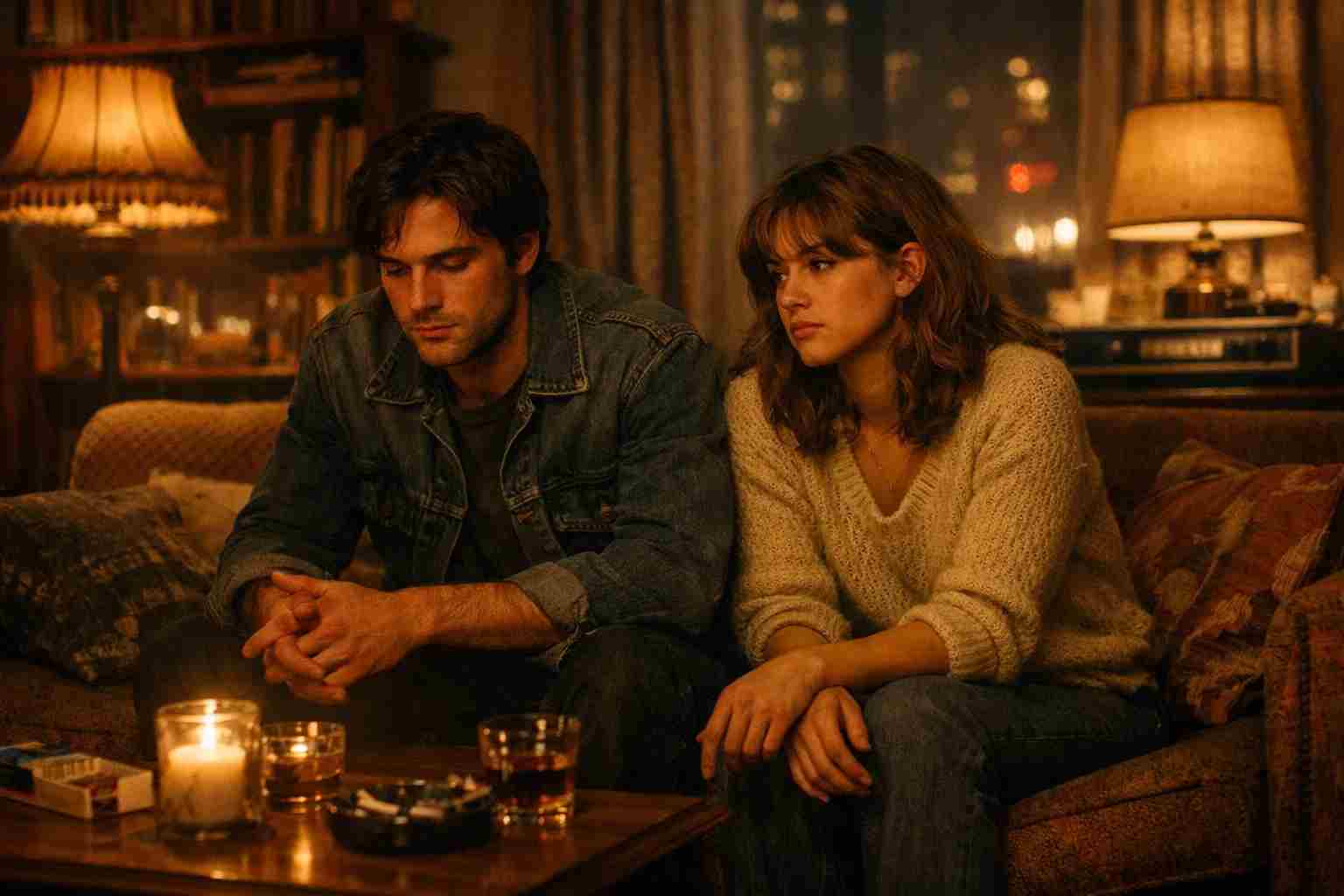
So here’s the real question people ask: Is this story true?
Let me explain.
Is If Beale Street Could Talk Based on a True Story?
Short answer: No, it’s not a true story about real people.
But that’s only part of the truth.
The film is based on a 1974 novel by James Baldwin, one of the most important voices in American literature. He didn’t write about one specific real-life case. Instead, he pulled from something bigger real experiences happening around him.
Baldwin lived through a time when:
- Black men were often falsely accused
- The justice system was deeply unfair
- Families were torn apart by wrongful arrests
So while Fonny and Tish are fictional, their story reflects real history.
This is what makes the film feel so real. It’s not a single true story. It’s many real stories blended into one.
The Real Meaning Behind the Story
Now here’s what matters more than “true or not.”
James Baldwin once said that Beale Street represents every place where Black people’s lives and voices exist in America.
So when you hear the title If Beale Street Could Talk, it’s not just about one street. It’s about:
- Stories of injustice
- Stories of love under pressure
- Stories that were never heard
The film shows a young couple trying to build a future while the system works against them. That struggle? That part is very real.
Is Fonny Guilty?
This is one of the most searched questions, and it cuts right to the heart of the story.
No, Fonny is not guilty.
He is falsely accused of a crime he didn’t commit.
The film makes this clear, but it doesn’t treat it like a simple courtroom drama. Instead, it focuses on how that false accusation affects everyone:
- Tish, who is pregnant and waiting
- Fonny, who is trapped in jail
- Their families, trying to stay strong
This reflects a painful truth. During the time Baldwin was writing, wrongful accusations against Black men were not rare.
So again, not a true case — but very real conditions.
Why Was If Beale Street Could Talk Banned?
Let’s clear this up, because there’s confusion here.
The film itself was not widely banned.
But it has faced criticism and restrictions in some places due to:
- Strong themes of racism and injustice
- Emotional and political content
- Mature storytelling
More importantly, Baldwin’s work has historically been challenged or removed in some schools. Not because it’s false — but because it speaks honestly about uncomfortable truths.
And that honesty can make people uneasy.
Is “Beale Street” a Real Place?
Yes. Beale Street is real.
It’s located in Memphis, Tennessee, and it’s famous for:
- Blues music
- African American culture
- Deep historical roots
But here’s the key point.
The story in the film is set in New York, not Memphis. So the title is symbolic, not literal.
Baldwin used “Beale Street” as a metaphor. A way of saying:
This story could happen anywhere.
Where Did This Story Really Come From?
To understand the truth behind the film, you need to understand James Baldwin himself.
He grew up in Harlem. He saw:
- Poverty
- Racism
- Broken justice systems
He didn’t need to imagine injustice. He lived around it.
So when he wrote If Beale Street Could Talk, he wasn’t inventing a fantasy. He was telling emotional truth through fiction.
That’s why the story feels so grounded. Every moment feels lived-in.
What Makes This Story Feel So Real?
Here’s what stands out.
The film doesn’t rely on big twists or loud drama. Instead, it builds realism through:
1. Everyday Love
Tish and Fonny’s relationship feels natural. Quiet conversations. Small moments. Real connection.
2. Family Reactions
Each family reacts differently — support, anger, fear. Just like in real life.
3. Systemic Pressure
The story shows how the legal system can shape lives, even before a trial ends.
4. Time and Waiting
A big part of the story is waiting. Waiting for justice. Waiting for answers. That slow pain feels real.
The Bigger Truth Behind the Film
Here’s the bottom line.
If Beale Street Could Talk is not a documentary. It’s not based on a single real case.
But it tells a truth that matters:
- Love can survive even under pressure
- The justice system can fail innocent people
- Some stories don’t get heard unless someone tells them
Baldwin gave those stories a voice.
A Quick Recap
- The story is fictional, not based on one real event
- It reflects real issues from history, especially racial injustice
- Fonny is innocent in the story
- Beale Street is a real place, but used as a symbol
- The film’s emotional impact comes from truth, not literal facts
Why This Story Still Matters Today
Even now, the film doesn’t feel old.
That’s because the themes haven’t disappeared. People still talk about:
- Wrongful convictions
- Inequality in the justice system
- The strength of family and love
So when you watch this film, you’re not just watching a story from the past.
You’re watching something that still connects to the present.
If you came here looking for a simple yes or no, you’ve got it.
But the real answer is deeper than that.
This isn’t a true story in the usual sense.
It’s something more powerful a story that feels true because it reflects real life.

Jessica Savitch, with a deep passion for journalism, brings her expertise to istruestory.com as a dedicated author. MA in Arts & Journalism.