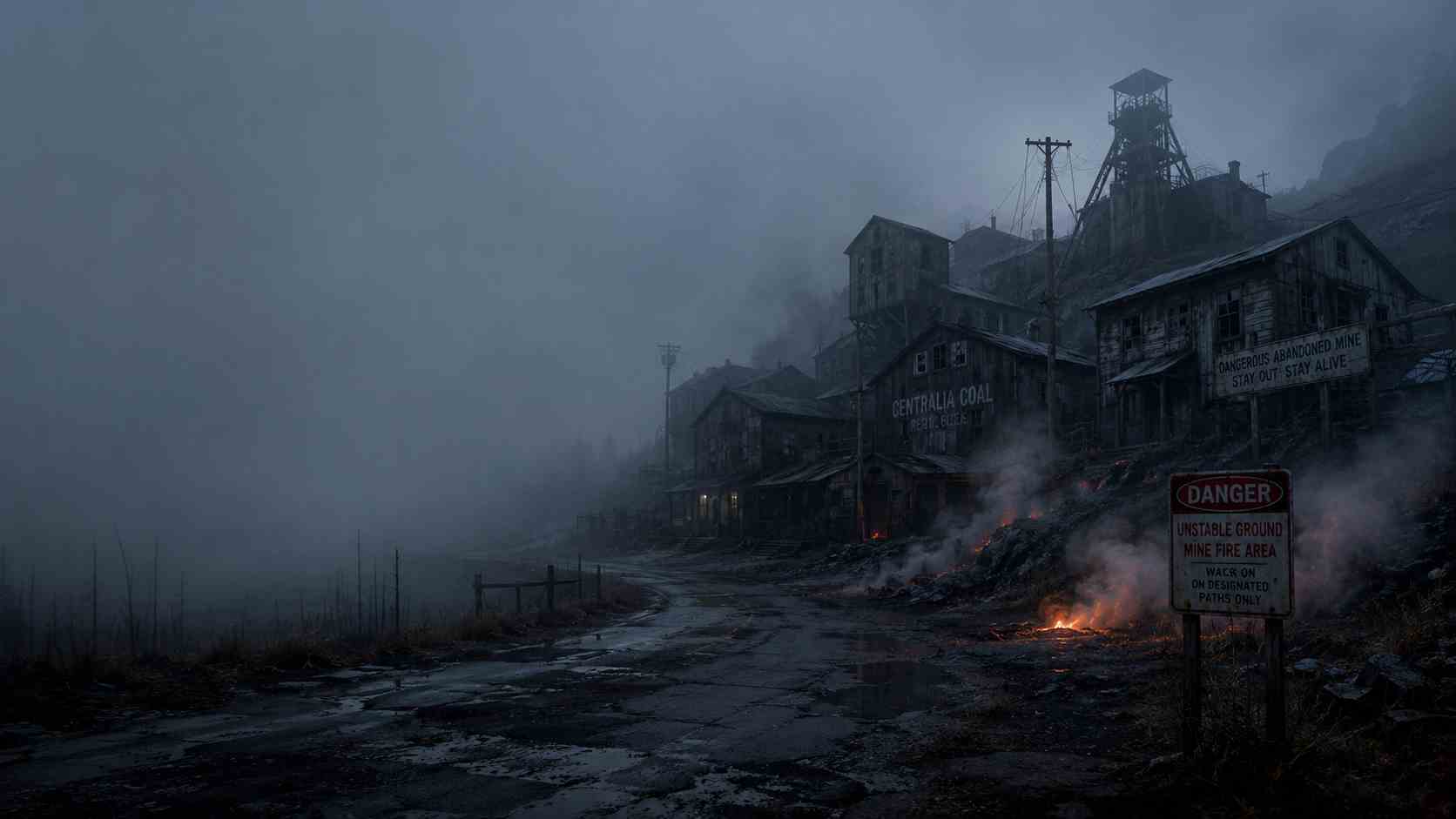
 There are horror movies that scare you for two hours. Then there are stories like Silent Hill that stay in your mind for years.
The fog. The empty streets. The strange sirens. The feeling that something terrible happened long ago. It all feels too real to be completely made up. That is why so many people still ask one question today: Is Silent Hill based on a true story?
The short answer is both yes and no.
The monsters, cults, and supernatural events are fictional. But the world behind Silent Hill was shaped by real places, real disasters, and real human fear. One abandoned American town especially became linked forever to the franchise: Centralia, Pennsylvania.
And honestly, once you learn what happened there, the games and movies become even more disturbing.
Silent Hill Game Series Movie Snapshot
| Topic | Details |
|---|---|
| First Game Release | 1999 |
| Developer | Konami Computer Entertainment Tokyo |
| Platform | PlayStation |
| Main Theme | Psychological horror |
| Most Famous Character | Pyramid Head |
| Setting | Fictional town of Silent Hill |
| Inspiration Sources | Psychological horror films, urban decay, loneliness |
| Popular Feature | Fog-filled environments |
Why Silent Hill Feels So Real
One reason Silent Hill became legendary is because it never feels like a normal horror story. Most horror films throw monsters at you immediately. Silent Hill does something different.
It creates dread first.
You walk through silent roads covered in fog. Buildings look abandoned but not ancient. Rusted hospitals and empty schools feel like places people once used every day. The horror comes from the atmosphere before the creatures even appear.
That realism was intentional.
The original Silent Hill game was released by Konami
The result felt believable in a way most games never had before.
Players did not feel like they were entering a fantasy world. They felt like they were entering a forgotten place that could actually exist somewhere in America.
And in some ways, it did.
The Real-Life Town Behind Silent Hill
When people talk about the “real Silent Hill,” they usually mean Centralia, Pennsylvania.
Centralia was once a busy coal mining town in the United States. Families lived there for generations. Streets were active. Businesses operated normally. It looked like thousands of small American towns across the country.
Then everything changed in 1962.
A fire started in a coal mine beneath the town. At first, officials believed it could be controlled. But the underground tunnels connected deep beneath Centralia, and the fire kept spreading.
Years passed.
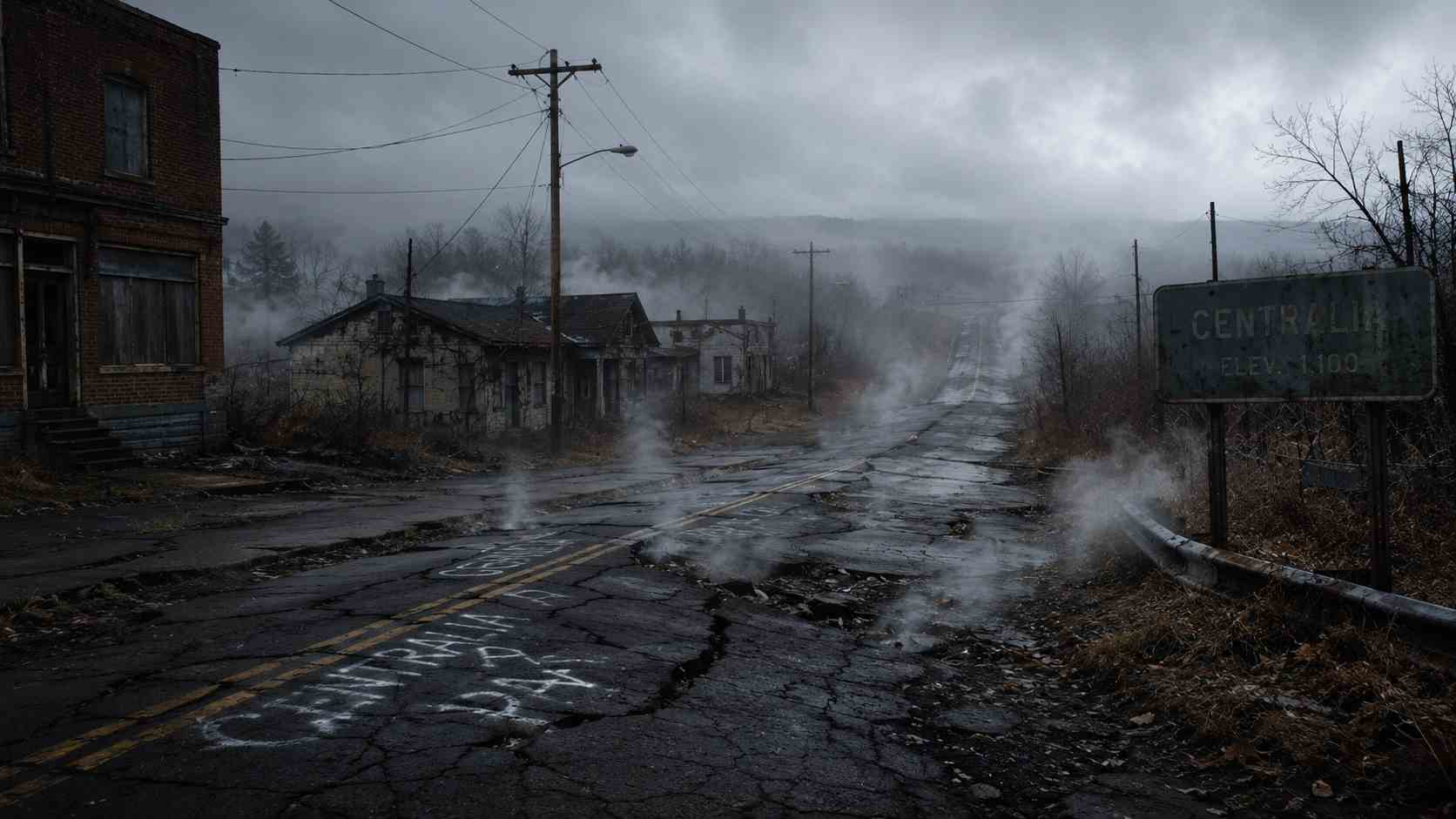
The ground began releasing toxic gases. Roads cracked open. Smoke and steam rose from the earth. Some areas became dangerously hot. Residents feared sinkholes could suddenly appear beneath their homes.
Instead of improving, the situation became worse decade after decade.
Eventually, most residents were relocated, and nearly the entire town was abandoned.
That alone sounds terrifying. But the visuals made it unforgettable.
Fog drifting across empty streets. Smoke coming from underground vents. Silent roads with almost no people left.
It looked eerily similar to Silent Hill.
Many fans believe Centralia directly inspired the movie version of Silent Hill, especially the smoky atmosphere and abandoned town design. The 2006 film even leaned heavily into ash falling from the sky, which resembled images associated with Centralia’s underground fire.
Here’s what matters though: the original game creators never officially confirmed that Centralia was the direct inspiration for the first game.
Still, the similarities are impossible to ignore.
What Actually Happened in Centralia
The real story becomes even stranger when you look deeper.
The underground coal fire beneath Centralia is still burning today. More than sixty years later, parts of the mine continue to burn underground.
That fact alone feels like something written for a horror movie.
Scientists believe the fire could continue for many more decades, possibly even centuries. Over time, dangerous gases and unstable ground forced nearly everyone to leave.
At its peak, Centralia had over 1,000 residents. Today, almost nobody remains.
One of the most famous incidents happened in 1981 when a young boy reportedly fell into a sinkhole that suddenly opened beneath him. He survived, but the event shocked the nation and increased fears about the town’s safety.
After that, relocation efforts became more serious.
Entire neighborhoods disappeared. Buildings were demolished. Roads closed permanently.
One abandoned highway became especially famous online because steam appeared to rise through cracks in the pavement. It looked like a scene directly taken from Silent Hill.
Photos and videos of Centralia spread across the internet for years, strengthening the connection between the town and the horror franchise.
Even people who never played the games started calling Centralia “the real Silent Hill.”
The Original Story of Silent Hill
While Centralia influenced the atmosphere, the actual story of Silent Hill came from many different ideas.
The first game follows Harry Mason, a father searching for his adopted daughter after a car crash near the mysterious town of Silent Hill.
But the town itself is not normal.
It changes depending on a person’s guilt, trauma, fear, or memories. That became one of the franchise’s most famous ideas. The monsters are often symbolic rather than random creatures.
That psychological approach made Silent Hill stand out from other horror games.
Instead of simply escaping zombies or killers, characters were forced to confront emotional pain and hidden truths.
The creators were inspired by psychological horror films, especially works by directors like David Lynch and Adrian Lyne. Movies such as Jacob’s Ladder also heavily influenced the disturbing dreamlike atmosphere.
That explains why Silent Hill feels emotionally heavy rather than just violent.
The town acts almost like a mirror.
Different people experience different versions of it.
Why the Fog Became So Important
The fog in Silent Hill is now iconic, but it actually started for technical reasons.
The original PlayStation hardware could not render large environments smoothly. Developers used fog to hide the graphical limitations.
But something unexpected happened.
The fog made the game scarier.
Instead of seeing danger clearly, players only heard distant sounds and movement hidden inside the mist. Fear came from uncertainty.
Later games and movies kept the fog because it became part of the identity of Silent Hill itself.
Ironically, Centralia also became known for heavy smoke and fog caused by underground fires and temperature differences.
That accidental similarity made the real-world connection feel even stronger.
Is Silent Hill Based on a True Story?
Not exactly.
There was never a real cursed town filled with monsters, alternate dimensions, or supernatural nurses.
But Silent Hill absolutely draws inspiration from real fears and real places.
The strongest real-life connection is Centralia, Pennsylvania. Its underground fire, abandoned streets, and haunting atmosphere helped shape how many people imagine Silent Hill today.
The franchise also reflects deeper human experiences:
- Trauma
- Grief
- Guilt
- Isolation
- Religious extremism
- Psychological suffering
That emotional realism is why the series feels believable even when supernatural things happen.
The horror works because the emotions are real.
The Silent Hill Movie Changed the Public Connection
The 2006 Silent Hill movie made the Centralia connection even more popular.
Director Christophe Gans created a visual style filled with ash, smoke, rust, and industrial decay. Many viewers immediately compared it to images from Centralia.
The film was not a direct retelling of the game. It changed several story elements, characters, and themes. But visually, it leaned harder into the abandoned mining town atmosphere.
That is why many younger fans first discovered Centralia through the movie rather than the games.
Once internet discussions started connecting the two, the idea spread everywhere online.
Today, the phrase “real Silent Hill” almost automatically refers to Centralia.
Why People Remain Fascinated by Silent Hill
Most horror stories fade with time.
Silent Hill did not.
Part of that is because it touches something deeper than normal horror entertainment. The series understands loneliness in a way few games or films ever captured.
The empty streets feel sad before they feel dangerous.
Even the monsters often represent broken emotions rather than pure evil.
That emotional weight gave the franchise a lasting impact across generations.
And then there is the real-world mystery factor.
People are naturally drawn toward abandoned places. A real town connected to underground fires and ghost-town imagery already sounds fascinating. When you combine that with one of the most famous horror franchises ever created, curiosity only grows stronger.
The Real Horror Behind the Story
The strange thing is this: the real story may actually be sadder than the fictional one.
Centralia was not destroyed by monsters.
It was destroyed by disaster, mistakes, environmental damage, and years of fear. Families lost homes. Communities disappeared. A once-living town slowly became empty.
That human tragedy is what makes the connection feel powerful.
When people search for the True Story of Silent Hill, they are not really searching for monsters.
They are searching for the unsettling truth that real places can sometimes feel more haunting than fiction itself.
And Centralia proves that perfectly.

Jessica Savitch, with a deep passion for journalism, brings her expertise to istruestory.com as a dedicated author. MA in Arts & Journalism.