
No, Dear Evan Hansen is not a true story. The characters and central deception are fictional. But the Broadway musical and its 2021 film adaptation grew from something real: the death of a student at songwriter Benj Pasek’s high school, and the way other students responded afterward.
The real event concerns public grief; the invented plot explores how a lie can grow from that grief. Here is what creators confirmed and why audiences disagree.
Is Dear Evan Hansen Based on a True Story?
Dear Evan Hansen is inspired by a real incident, not based on a real person named Evan Hansen. Pasek and his songwriting partner Justin Paul developed the musical with playwright Steven Levenson. They drew from a troubling question: why do people sometimes claim closeness to someone after that person dies, even when they barely knew them?
The musical first brought that question to the stage. Its teenage lead struggles to connect with classmates, then finds himself unexpectedly welcomed by a grieving family. The film, directed by Stephen Chbosky and released in September 2021, adapts the same fictional premise. The official Music Theatre International synopsis describes Evan as a 17-year-old who wants to belong but becomes caught in a growing series of lies.
A similar sense of isolation drives The Perks of Being a Wallflower, but neither story is a documented biography.
The Real School Tragedy That Inspired Dear Evan Hansen
During his high school years, Pasek learned that a fellow student had died from a drug overdose. The student had not been especially well known at school. Yet after his death, classmates spoke about him as though they had shared close friendships. Some even centered college essays on his memory.
Pasek recalled this behavior in an interview published by the Denver Center for the Performing Arts. He said it was unclear whether the overdose had been intentional. That uncertainty is important: it would be inaccurate to describe the real student’s death as a confirmed suicide.
Years later, the experience still bothered him. He and Paul wanted to explore the need for attention, sympathy, and belonging. Levenson helped turn that starting point into a story with its own characters and plot. A Playbill report on the creators’ discussion likewise explains that the school incident inspired the idea, not the precise chain of events shown in the musical.
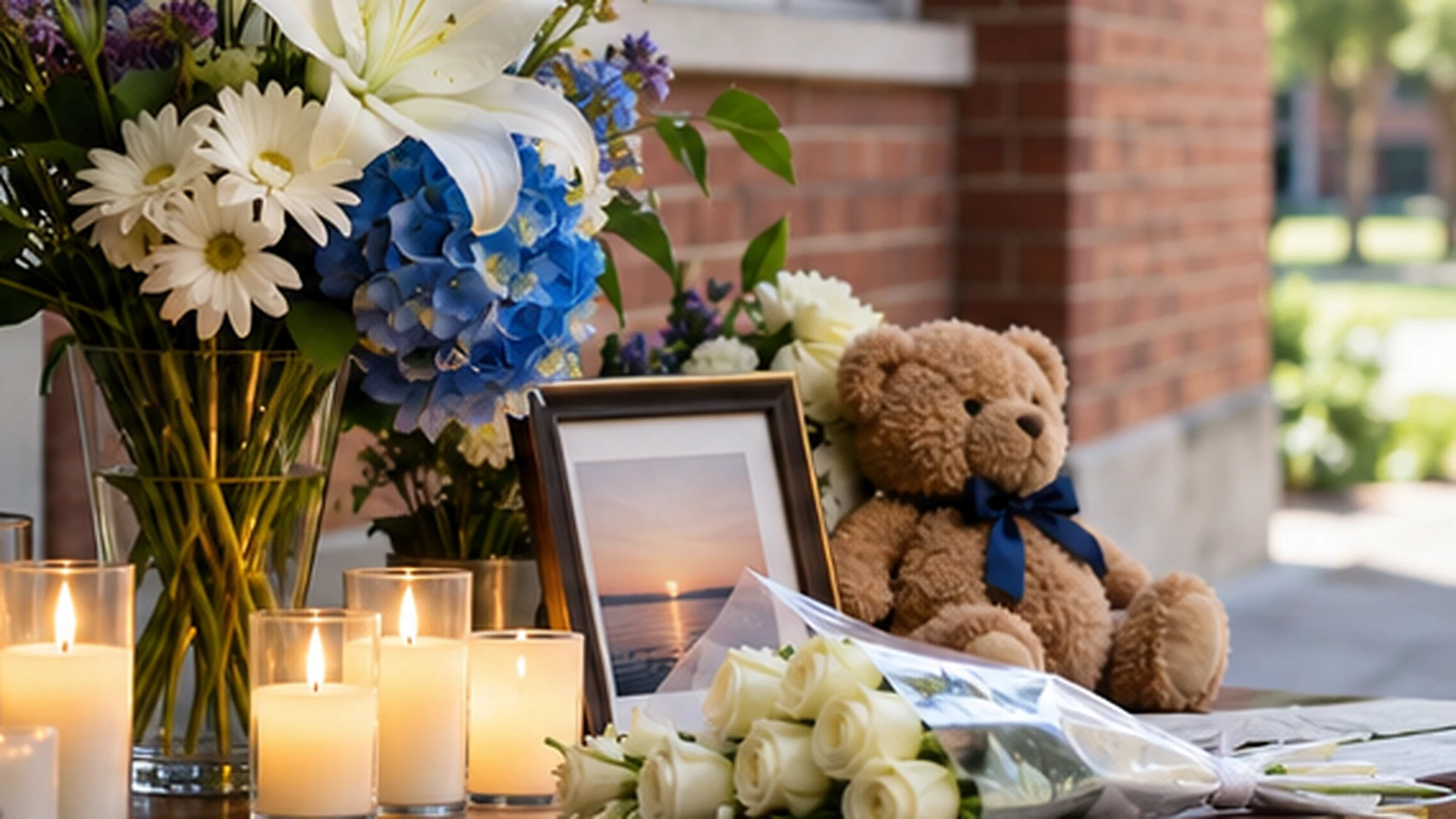
The key difference is the cause of death. In the fictional story, Connor Murphy dies by suicide. In the reported incident from Pasek’s school, a student died from an overdose whose intent was not established. The two tragedies should not be treated as identical. That same distinction between real events and a writer’s invention matters when reading whether 13 Reasons Why is based on a true story.
What Parts of Dear Evan Hansen Are Fictional?
Major plot spoilers follow. Evan’s therapist asks him to write encouraging letters to himself. When classmate Connor Murphy takes one of those letters and later dies, Connor’s parents believe the letter proves that the boys were close friends.
Evan lets their misunderstanding stand, then invents stories and messages to support it. As his lie spreads, the family’s grief becomes harder to repair.
| Element | What the evidence supports |
|---|---|
| A student died during Pasek’s school years | Real; Pasek and the creators discussed the overdose and students’ reactions. |
| Evan Hansen and Connor Murphy | Fictional characters, not identified versions of two documented students. |
| The mistaken letter and invented friendship | A fictional plot developed for the musical. |
| Public grief and wanting to belong | Real human behavior that helped inspire the creators’ central theme. |
This is why the phrase inspired by true events needs care. A real memory may inspire a story without making the characters, conversations, relationships, or ending factual. The Smithsonian’s account of the musical identifies the student death and the classmates’ response as the starting point.
What Mental Health Condition Does Evan Hansen Have?
Evan is portrayed as living with social anxiety. He finds conversations stressful, feels invisible at school, receives mental health treatment, and writes letters to himself as part of that treatment. He also experiences serious emotional distress.
The 2021 film discusses anxiety and depression, and it includes references to self-harm and suicide. The British Board of Film Classification’s content guidance identifies social anxiety and depression as key themes. These are elements of a fictional character’s experience, not a clinical assessment of a real person.

It is too simple to say that anxiety causes Evan to deceive the Murphy family. Anxiety helps explain his fear of conflict and intense need for acceptance, but it does not remove his responsibility for the lie. That tension is part of the story’s moral difficulty.
For another film that uses imagined characters to explore recognizable feelings, see the real emotional ideas behind Inside Out 2.
Is Evan Hansen LGBTQ?
The musical and film do not explicitly identify Evan Hansen as LGBTQ. Evan develops romantic feelings for Zoe Murphy, but that relationship alone cannot establish every aspect of his sexual orientation. It is more accurate to describe what the story shows than to assign him an identity the writers have not clearly given him.
Some viewers read the characters through a queer lens, but jokes about Evan and Connor are not evidence of a confirmed romance.
The film does include an openly gay character: Jared, Evan’s sharp-tongued classmate. As a Los Angeles Times review of the film notes, Jared’s role was changed for the screen adaptation. It is worth separating that confirmed detail from assumptions about Evan.
Was Evan Hansen in Love With His Sister?
No. Evan does not have a sister in the central story. The confusion usually comes from Zoe Murphy. She is Connor Murphy’s sister, not Evan’s. Evan already has a crush on Zoe before Connor’s death and later becomes romantically involved with her.
This relationship raises one of the story’s hardest questions. Zoe’s growing trust in Evan develops while she believes he knew her brother well. Evan’s dishonesty therefore affects more than Connor’s parents. It also changes how Zoe understands her family and her own grief.
Nothing in the story presents Evan as being in love with his own sibling. The important issue is not incest; it is a relationship built partly on false information.
Why Is Dear Evan Hansen So Controversial?
The stage musical found a large audience and won six Tony Awards in 2017, including Best Musical, according to Music Theatre International. The film adaptation received a far more divided response. Two concerns came up repeatedly.
The lie feels too cruel to some viewers
Many viewers understand why a lonely teenager might fear telling a grieving family the truth. Yet Evan benefits from the belief that he was Connor’s best friend, and he allows the family’s hope to grow. Critics questioned whether the film asked for sympathy without showing enough of the damage he caused. RogerEbert.com’s review specifically criticized its treatment of Connor’s memory and the grieving family’s trust.
The film’s casting and portrayal of mental health drew criticism
Ben Platt, who originated the Broadway role, was 27 when he portrayed the teenage Evan on screen. Some critics found the age difference distracting. The film’s Rotten Tomatoes critics’ consensus also highlights questionable casting and an unconvincing story as problems with the adaptation.
There was also debate about the portrayal of suicide, depression, and social anxiety. Some critics felt the story used serious mental health struggles to push an emotional plot. Others said it gave isolated young people language to discuss their own experiences. Reporting by STAT on the stage production’s response to viewers in crisis documents both the criticism and the very real messages of support sought by audience members.
A work can comfort some viewers while worrying others. In a 2021 conversation with the film’s creators and cast, the writers said they wanted to explore uncomfortable reasons for seeking connection, not excuse everything Evan does.
What the Story Reveals About Grief, Loneliness, and Belonging
The most unsettling part of Dear Evan Hansen is how loneliness becomes tangled with a need to be noticed. Evan wants connection, while Connor’s family wants to believe their son had a friend. Both hopes make a lie seem comforting, until its cost becomes clear.
Fiction often helps people examine feelings that are difficult to discuss directly. Other films do this through stories of loss, including The Virgin Suicides, while Wonder explores the desire to be accepted at school. Their emotional truth should not be mistaken for evidence that every event happened.
So, is Dear Evan Hansen a true story? No. The fictional Evan, Connor, Zoe, and their relationships are not a record of one real family’s tragedy. What is real is the incident that stirred the creators’ questions about grief, public attention, and the human need to belong. Knowing that distinction makes the story clearer and gives the real student whose death inspired it the respect of not having fiction presented as fact.

I am Jeremy Jahns – Your Cinematic Explorer
Immerse in movie reviews, Hollywood insights, and behind-the-scenes stories.